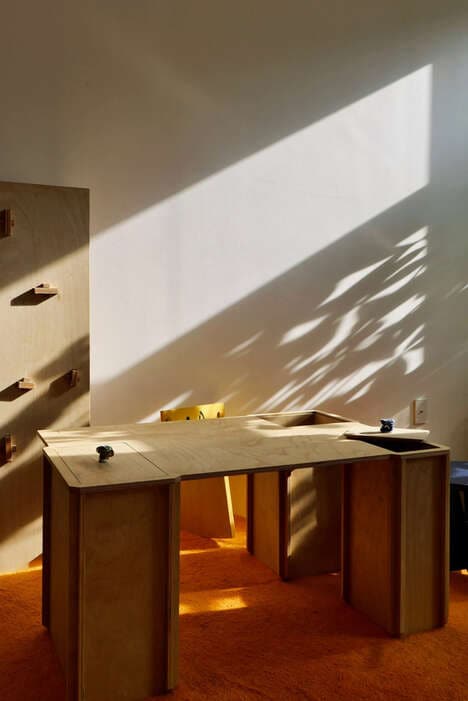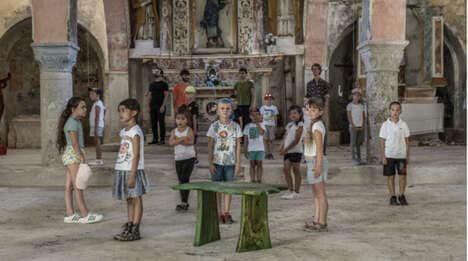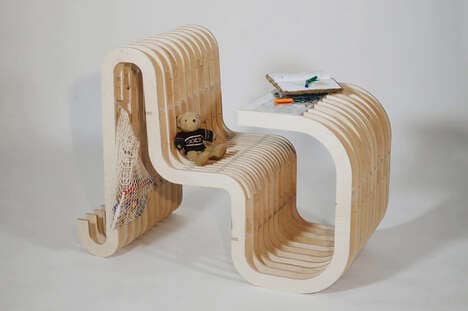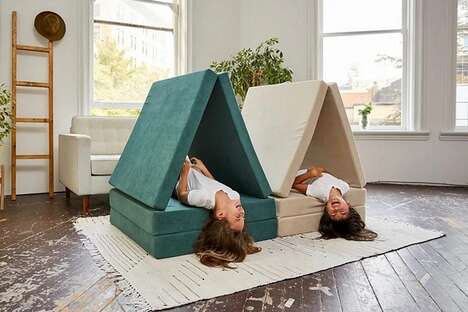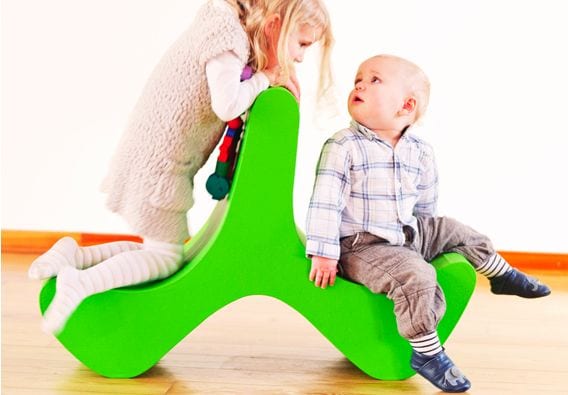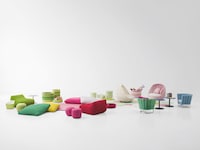

Furniture doesn't need to just look good, in the case of kids it should also serve a more fundamental purpose such as being educational in one way or another; that is exactly what the Richard Lampert Children 2011 collection does. Not only is it entertaining and pleasing to the eyes, it also teaches children certain basic skills that will prepare them for other activities such as those experienced in school.
Designed by Bertjan Pot, Doshi Levien (Nipa Doshi and Jonathan Levien), Monica Förster and Eric Degenhardt, the Richard Lampert Children 2011 collection is comprised of five pieces. The Wonder Box -- the favorite of many -- is writing desk that has a blackboard surface for drawing. There is also the Pit Stop, Rocker, Tur Tur and In-Out mini.
Why This Trend Is Growing
- Educational Furniture
- Creating furniture that is both aesthetically pleasing and can teach children basic skills, such as problem-solving or art, provides a unique opportunity to innovate in the education industry.
- Interactive Learning
- Incorporating interactive activities into furniture gives children a more involved and hands-on learning experience, disrupting traditional educational methods and creating opportunities for edtech companies.
- Sustainable Materials
- Combining eco-friendly materials with educational furniture caters to a growing consumer demand for environmentally conscious products, and presents an emerging market for innovations in sustainable production and design.
Industries Being Reshaped
- Furniture
- Designing innovative furniture that can educate and entertain children presents opportunities for growth and differentiation in the highly competitive furniture industry.
- Education
- Collaborating with educators to develop furniture that supports different learning styles will help meet the evolving needs of students and educators and disrupt traditional educational models.
- Edtech
- Developing interactive educational furniture in conjunction with edtech companies has the potential to bridge the gap between classroom and home learning, providing a seamless educational experience for children and their families.