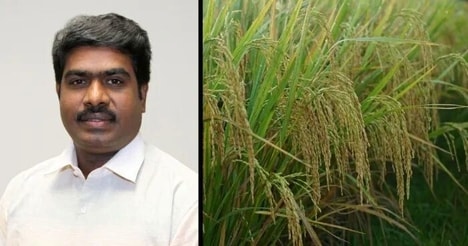
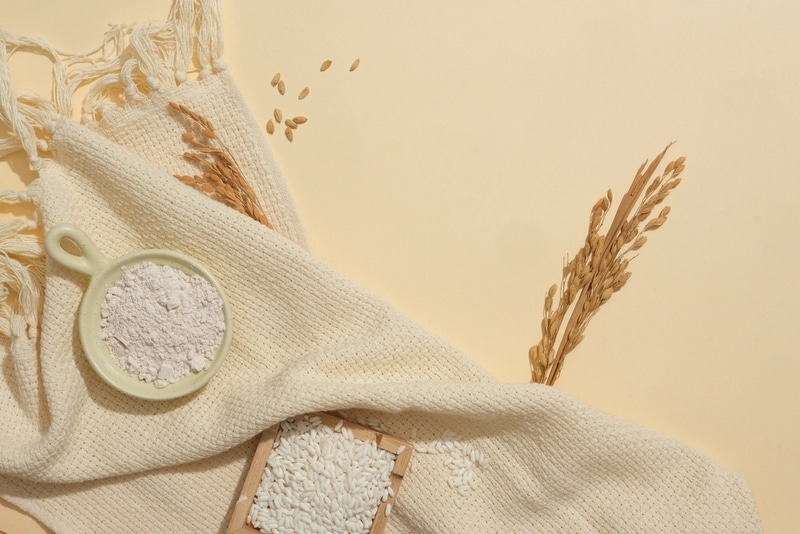
Rice Bran Ferment is a new cosmetic ingredient introduced by Kaken, produced from rice bran (komenuka) using a proprietary micronisation step followed by controlled fermentation with Lactobacillus plantarum. The ingredient was developed to deliver a smooth, skin-friendly particle and to concentrate beauty-related components such as γ-oryzanol, vitamins and ceramides while retaining rice bran’s natural profile.
Kaken produced the ferment by micronising rice bran to a fine texture, then fermenting it for 18–24 hours to boost lactic-acid-bacterial activity and enhance functional compounds. The resulting Rice Bran Ferment was positioned for incorporation into cleansing formulas to improve moisture retention, reduce roughness and leave a comfortable post-cleanse skin feel.
For brands and consumers, the ingredient pairs traditional Japanese fermentation knowledge with modern processing, offering an upcycled, culturally rooted option for gentle high-performance cleansers. Its combination of enhanced skin benefits and sustainability fits rising demand for clean, heritage-backed actives.
Image Credit: Light Stock / Shutterstock
What's Driving This Trend
- Fermentation-based Actives
- New microbial processing techniques are creating bioactive-rich extracts with enhanced skin compatibility and novel functional profiles that can redefine ingredient efficacy.
- Upcycled Beauty Ingredients
- Conversion of rice bran and other agri-waste into concentrated cosmetic actives is enabling circular-supply narratives with measurable sustainability benefits.
- Heritage-backed Clean Beauty
- Blending traditional Japanese fermentation knowledge with modern micronisation and quality control is producing culturally rooted actives that appeal to provenance-focused consumers.
Who This Affects Most
- Skincare Formulation
- Cleansers and leave-on products can be reformulated around gentle, ferment-derived particles to improve moisture retention and post-cleanse skin feel compared with conventional surfactant systems.
- Ingredient Manufacturing
- Specialized micronisation and controlled-fermentation processing creates premium, standardized actives that can disrupt commodity ingredient supply chains through differentiated performance.
- Sustainable Beauty Brands
- Brands emphasizing upcycled, culturally authentic actives have the potential to differentiate on traceability and environmental impact in a crowded clean-beauty market.