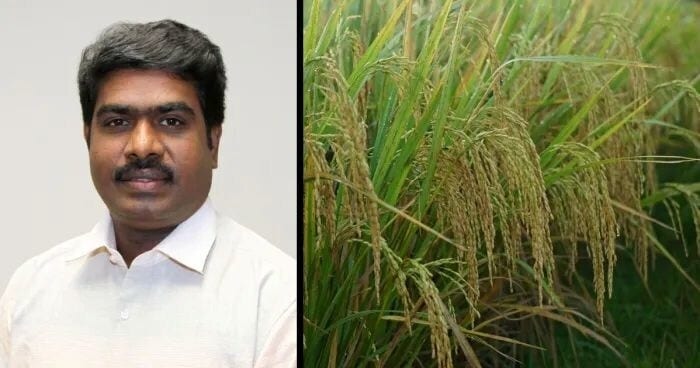
Researchers at the University of Arkansas at Pine Bluff have published a study in the Journal of Functional Foods demonstrating that nano-encapsulated gamma-oryzanol — a bioactive compound derived from rice bran — can effectively reduce oxidative stress and support cellular repair in aging cell models.
The rice bran compound's natural antioxidant and anti-inflammatory properties have long been recognized, but its poor water solubility has historically limited its bioavailability and thus its potential effectiveness when delivered through conventional means. By encapsulating gamma-oryzanol in a nano-scale formulation, the research team was able to improve its delivery to cells in laboratory experiments simulating age-related stress. The team observed reductions in damaging reactive oxygen species and enhanced fibroblast cell growth and migration — processes essential to tissue repair.
The work was funded by the USDA and conducted in collaboration with the University of Arkansas for Medical Sciences.
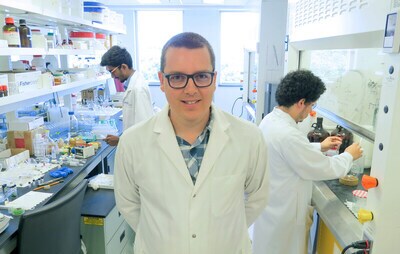
Image Credit: University of Arkansas
Key Themes Behind This Trend
- Nano-encapsulation of Phytochemicals
- Improved solubility and cellular targeting via nanoscale carriers unlocks higher bioavailability for plant-derived actives, enabling formulations with markedly greater physiological impact than conventional extracts.
- Functionalization of Agricultural Byproducts
- Valorizing rice bran and similar residues as concentrated sources of bioactives reframes low-value waste streams into premium ingredients for health-focused products.
- Age-targeted Nutraceutical Delivery
- Formulations designed to mitigate oxidative stress and support cellular repair in aging tissues introduce tailored supplement categories aimed at biological rather than chronological aging metrics.
Where This Applies
- Nutraceuticals and Dietary Supplements
- Enhanced delivery of gamma-oryzanol and analogous compounds presents opportunities for supplements with demonstrable cellular-level benefits and differentiated efficacy claims.
- Agricultural Waste Valorization
- Converting rice bran into high-value nano-formulated ingredients redefines supply chains and creates new revenue streams for grain processors and cooperatives.
- Wound Care and Regenerative Medicine
- Antioxidant and fibroblast-stimulating nano-formulations suggest implantable or topical therapies that could accelerate tissue repair and reduce chronic inflammation in damaged tissues.