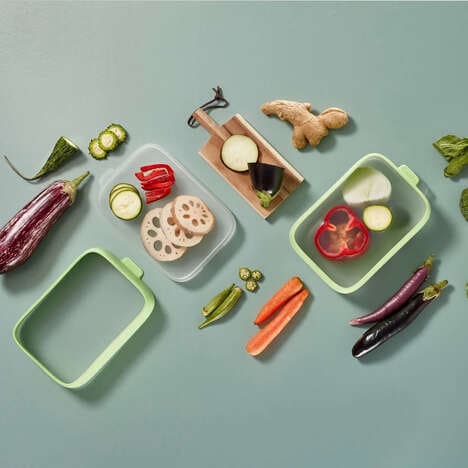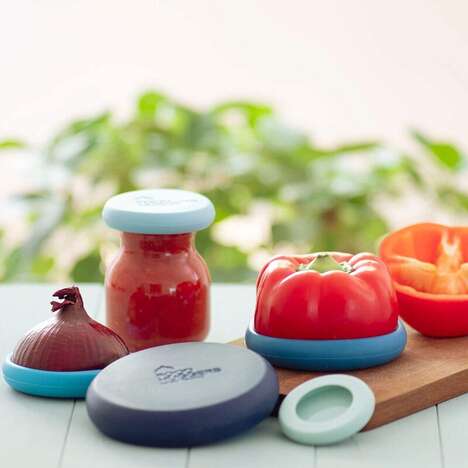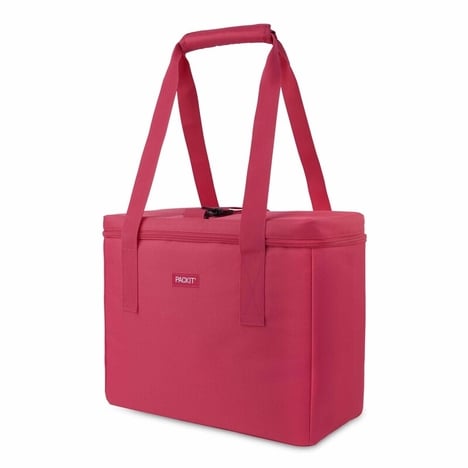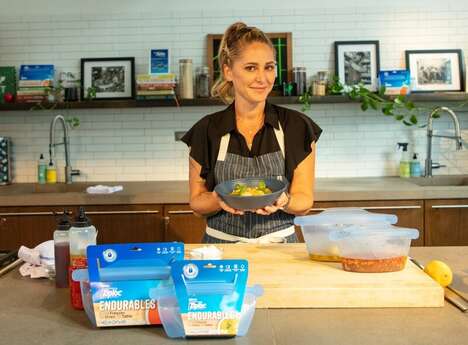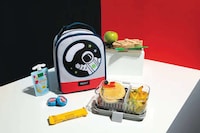


Sandwich bags are notorious for being a great way to waste plastic, so BlueAvocado 'Re(Zip)' reusable lunch bags are designed for continued usage. Rather than encouraging one to pack a bag, remove the contents and toss the sack, the BlueAvocado 'Re(Zip)' design is intended for multiple uses.
The leak-proof design of the BlueAvocado 'Re(Zip)' allows it to keep food fresh until lunch or as a way to store items in the fridge or freezer. The FDA-grade plastic used to make the reusable lunch bags is PVC-free, lead-free and even BPA-free. Assorted color options allow the BlueAvocado 'Re(Zip)' to be incorporated in the home in a variety of ways. They can also help to decrease the amount of plastic waste produced by the average family.
Why This Trend Is Growing
- Reusable Food Storage
- Opportunity for companies to create environmentally-friendly and sustainable kitchen products such as reusable food bags or container sets.
- Eco-friendly Packaging
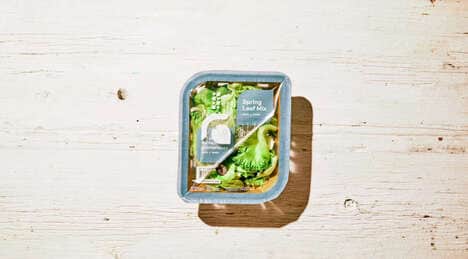
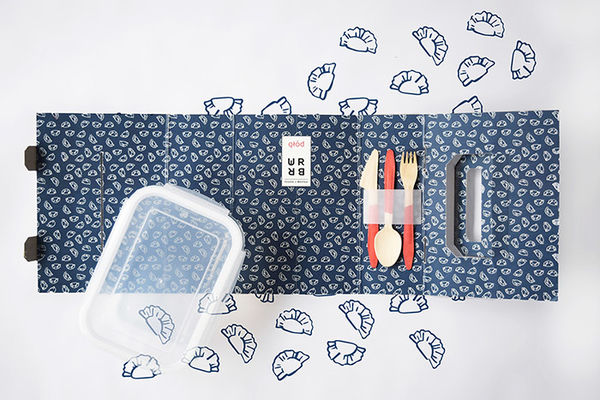
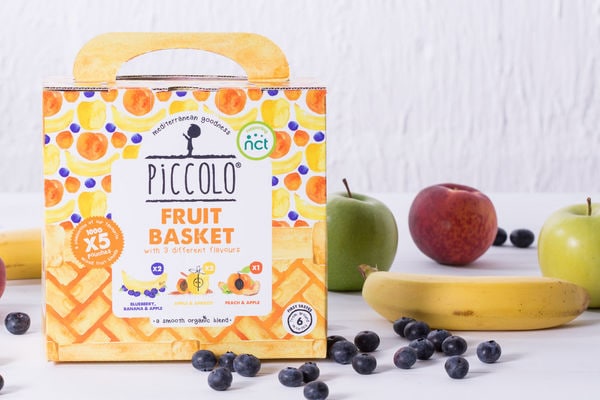
- Innovative approaches to packaging design that focus on reusable and sustainable materials, such as biodegradable, compostable plastics or plant-based fibers.
- Zero-waste Movement
- Growing consumer demand for companies to offer products and services that minimize waste or offer recyclable or biodegradable packaging in an effort to reduce environmental impact.
Industries Being Reshaped
- Kitchenware
- Companies in this industry can capitalize on sustainable kitchen products, such as reusable food storage, to appeal to eco-conscious customers.
- Packaging
- As consumer demand for eco-friendly options grows, businesses in the packaging industry have an opportunity to innovate new, environmentally-responsible packaging materials and design.
- Grocery Retail
- Grocery retailers can reduce their environmental impact by offering sustainable alternatives to single-use plastic bags or wrapping, such as reusable bags or compostable packaging.