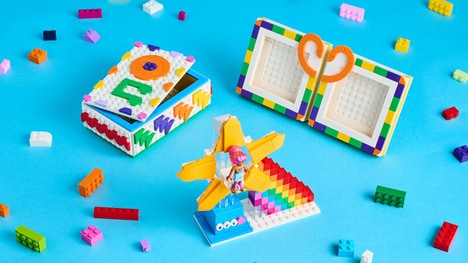
LEGO is a favorite of children and teens alike, and now Rebrick offers a way for these block enthusiasts to build together. Rebrick is aimed at connecting people, much the way LEGO’s bricks connect.
Rebrick is similar to other social media sites in that users can create profiles, post comments and like other users posts. LEGO lovers can sign up for their account by simply connecting through Facebook; they are then immediately able to view other featured LEGO creations. The site is simple, yet comprehensive, aligning Rebrick well with its demographic of younger users.
Rebrick also allows for users to browse through a products section there they can plan which set to get next. or delve into the game section for some LEGO-inspired computer fun. Rebrick may be at the forefront of brands fully integrating into social media.
What's Driving This Trend
- Toy-sharing Social Sites
- Toy-sharing social sites like Rebrick are disrupting traditional play patterns by allowing children and teens to connect and build together online.
- Lego-inspired Social Media
- LEGO's introduction of Rebrick showcases the potential for toy brands to integrate into social media platforms and engage with their consumer community in new and innovative ways.
- Online Toy Community
- Rebrick's platform allows users to share and showcase their LEGO creations, establishing an online community for LEGO enthusiasts to connect and exchange ideas.
Who This Affects Most
- Toy Manufacturing
- Toy manufacturers should explore opportunities to create their own toy-sharing social platforms, like Rebrick, to build a loyal consumer base and foster creativity among their target audience.
- Social Media
- Social media companies can capitalize on the success of toy-sharing social sites by developing dedicated platforms that connect like-minded individuals who want to share and collaborate on various hobbies or creative pursuits.
- Digital Gaming
- The integration of LEGO-inspired computer games on Rebrick highlights the potential for game developers to create online platforms that combine real-life play with immersive virtual experiences.