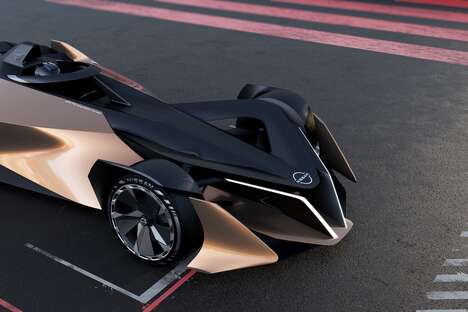
Nissan has long been a feared and respected name in the world of automotive racing and performance automotive design, and this is a reputation that is now set to move along from the road up to the skies what the introduction of the beautiful Nissan GT-R racing drone.
Drone racing is taking off in a big way, and Nissan has decided that it wants to make its mark with the GT-R racing drone. This particular drone is capable from zooming along from zero to 100 km/h in only 1.3 seconds on its way to a top speed of 185 km/h. The drone is powered by four propellers as well as a handy lithium-polymer battery.
With these kinds of performance specs, the Nissan GT-R racing drone is clearly designed for the best in the business of drone racing.
What's Driving This Trend
- Drone Racing
- The rise of drone racing as a competitive sport presents opportunities for innovative drone designs and technologies.
- High-speed Drones
- The demand for high-speed drones like the Nissan GT-R racing drone opens up possibilities for improved motor and battery technologies.
- Integration of Automotive and Drone Technologies
- The convergence of automotive and drone technologies, as seen in the Nissan GT-R racing drone, creates opportunities for cross-industry collaborations and advancements.
Who This Affects Most
- Automotive
- Automotive companies can explore partnerships with drone manufacturers to develop advanced propulsion systems and aerodynamics for racing drones.
- Electronics
- The electronics industry can capitalize on the demand for high-performance batteries and efficient motor systems for racing drones.
- Entertainment
- The growing popularity of drone racing presents opportunities for the entertainment industry to create engaging drone racing events and broadcast content.