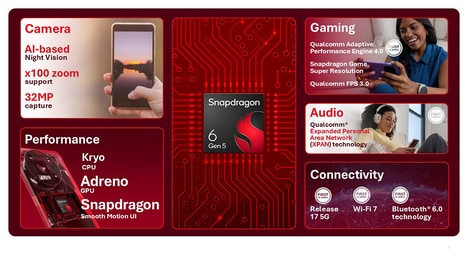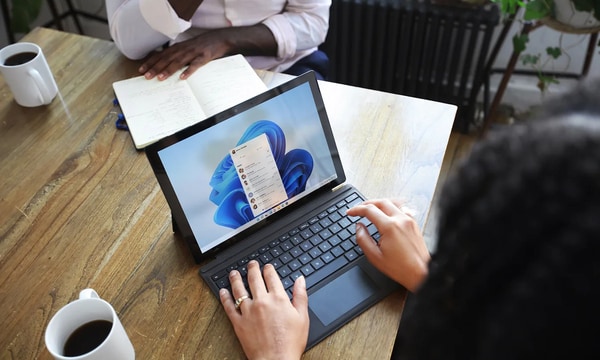
The Qualcomm Snapdragon C processor is a new solution engineered by the brand with budget Windows laptops in mind to help hardware manufacturers keep up with an increasingly competitive marketplace. The processor is reportedly responsive enough to support everyday productivity features like smooth web browsing and video streaming, while also supporting all-day battery life. The processor isn't built to handle intensive tasks, but is rated to handle typical workflows from average consumers, students and the like.
The Qualcomm Snapdragon C processor is expected to start showing up in systems later this year from brands like HP, Acer and Lenovo. The processor is targeted towards laptops at the $300 price point and up, and comes as part of the increasing shift in the industry towards mobile-influenced computing solutions.
Image Credit: Qualcomm
Why This Trend Is Growing
- Mobile-inspired Laptop Processors
- Integration of smartphone-class SoCs into entry-level laptops enables dramatically longer battery life and lower BOM costs, opening space for ultra-affordable always-on notebooks.
- Compute-for-budget-market
- Demand for sub-$400 Windows devices is shifting design priorities toward efficiency and cost-optimized feature sets that can reshuffle market share among OEMs.
- Arm-based Windows Ecosystem
- Broader ARM-compatible software and driver support is accelerating an ecosystem where lightweight apps and cloud-assisted workflows become dominant on mainstream laptops.
Industries Being Reshaped
- Consumer PC Manufacturing
- Mass-market laptop makers can leverage reduced thermal and power constraints to introduce thinner, fanless designs at lower price points.
- Education Technology
- Schools and edtech providers benefit from durable, long-battery devices that prioritize web-based learning and centralized fleet management.
- Cloud Services and Edge Computing
- Edge-optimized cloud services can complement low-power clients by shifting heavy computation off-device, changing pricing and service architectures.