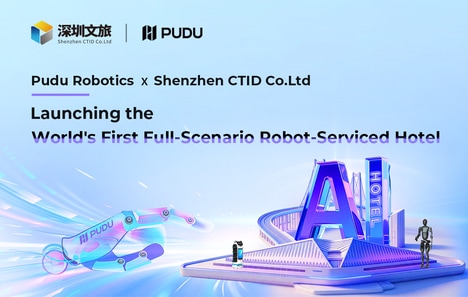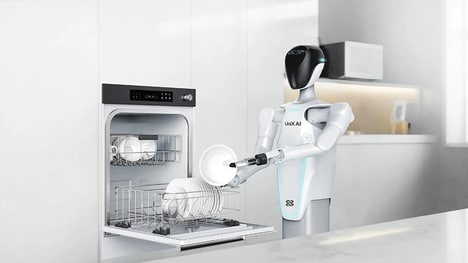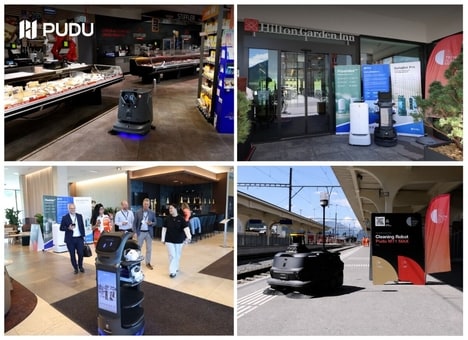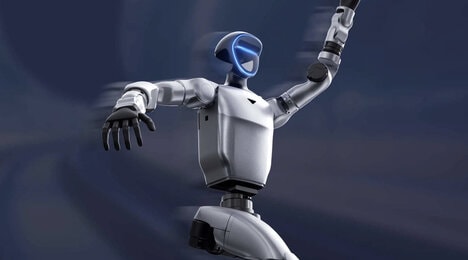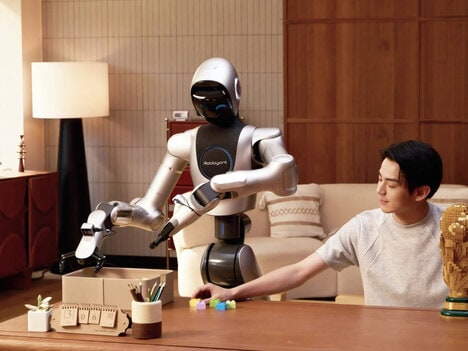
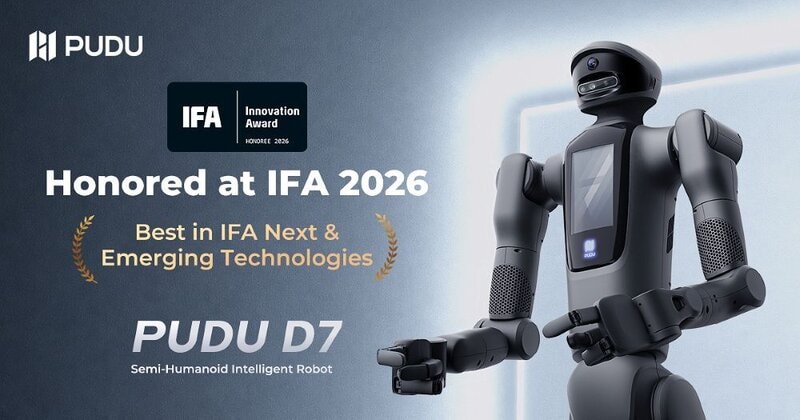
Multi-purpose semi-humanoid robots are expanding automation beyond single-task machines, as demonstrated by Pudu Robotics’ PUDU D7. Designed for industrial, warehouse, retail and hospitality environments, the robot combines mobile navigation with dual-arm manipulation, tactile sensing and 360-degree perception. It can transport materials, replenish shelves, push carts and interact with hotel guests, while handling payloads up to 20 kg and reaching operating heights of 2 meters. Autonomous battery swapping also helps reduce downtime during extended operation.
The D7 gives organizations a more adaptable approach to automation by allowing one robotic platform to support multiple workflows. For Pudu Robotics, this versatility creates opportunities to expand beyond its established service delivery and commercial cleaning products into embodied robotics. Supporting both operational and customer-facing tasks could also make the technology relevant to a broader range of businesses seeking flexible automation without deploying separate robots for every application.
Image Credit: Pudu Robotics
What's Driving This Trend
- Multi-workflow Robotics
- Robots capable of switching between transport, stocking, cart handling and guest interaction create new value models around shared automation assets instead of task-specific machines.
- Embodied Commercial Automation
- Semi-humanoid platforms with arms, perception and tactile sensing bring physical AI into everyday business settings where adaptable manipulation remains a major efficiency gap.
- Autonomous Uptime Systems
- Battery swapping and continuous operation features position robotics platforms as more dependable infrastructure for facilities that require extended service windows.
Who This Affects Most
- Warehousing
- Flexible robots that move goods, handle payloads and operate across varied layouts introduce scalable automation possibilities for mixed inventory and labor-constrained environments.
- Hospitality
- Guest-facing robots with navigation and interaction capabilities expand service capacity while supporting behind-the-scenes tasks such as delivery and material handling.
- Retail
- Shelf replenishment, cart movement and in-store assistance from one mobile platform suggest a shift toward multifunctional robotics that can support both operations and customer experience.