

While there are some printed decor products for the home that are available to consumers—especially ones that offer customizable features—these objects can consume a lot of time, resources and money when it comes to making them.
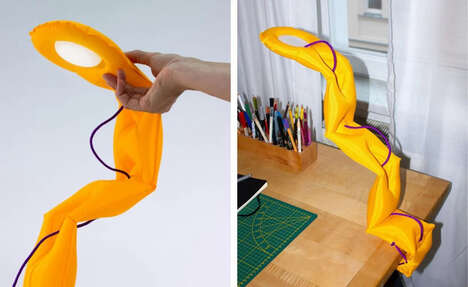
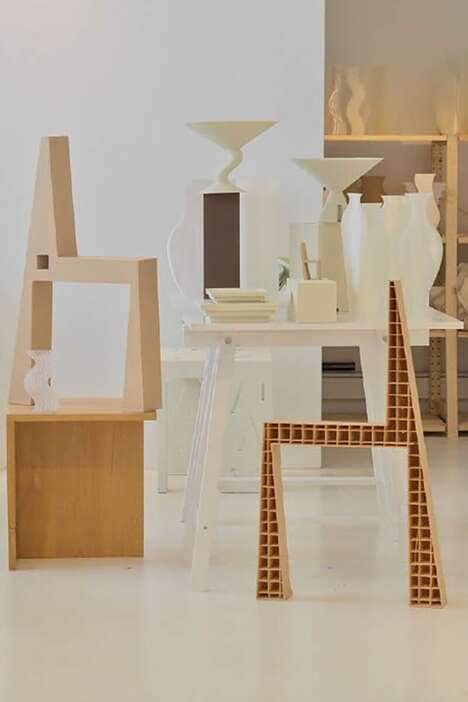
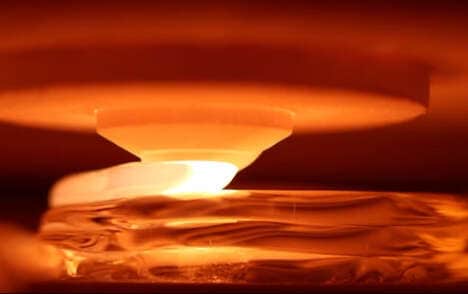
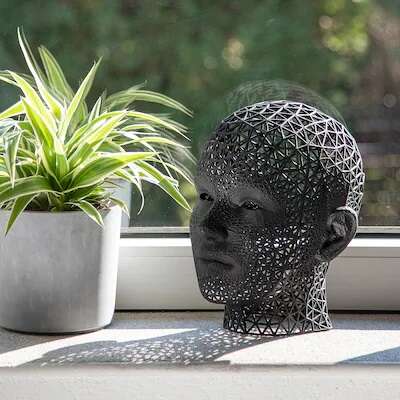
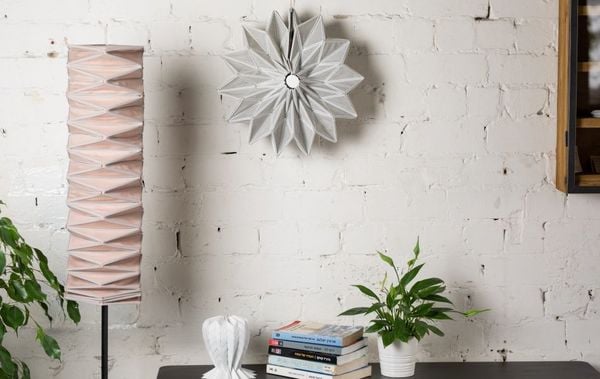
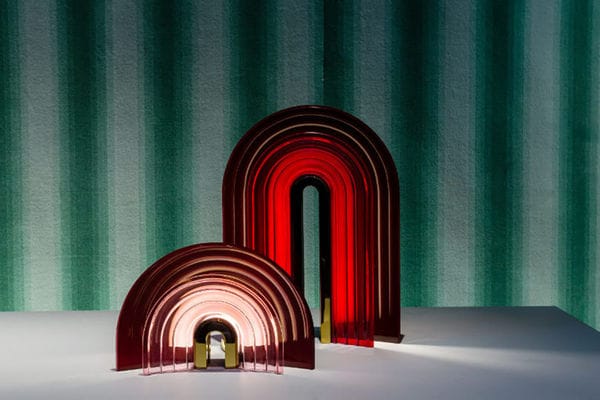
MIT's Self-Assembly Lab collaborated with Swiss designer Christoph Guberan on an exhibition called 'Liquid to Air: Pneumatic Objects' that's on display at the Patrick Parrish Gallery in New York. This collection of design objects offers a look at pieces that are printed from a silicone material that can be inflated. The designs such as rubber wall lamps and rubber vessels were created with Rapid Liquid Printing (RLP), which adds a fourth dimension to the printing process.
Beyond printed decor, the Self-Assembly Lab also sees the potential for everything from airbags to emergency shelters to be created.
What's Driving This Trend
- Inflatable Printed Decor
- Printing objects from a silicone material that can be inflated via Rapid Liquid Printing (RLP) offers customizable features for home decor.
- Pneumatic Objects
- Creating pneumatically printed designs with a fourth dimension to printing offers innovative ways for more than just decor.
- Self-assembly Technology
- MIT’s Self-Assembly Lab’s Rapid Liquid Printing (RLP) process and silicone material offer potential for a vast array of technological advancements.
Who This Affects Most
- Home Decor
- Inflatable printed decor holds promise in the personalized design furniture industry.
- Automotive Manufacturing
- RLP technology could revolutionize airbag manufacturing processes.
- Disaster Relief
- Self-inflating shelters and other inflatable emergency resources could be produced more efficiently with this technology.