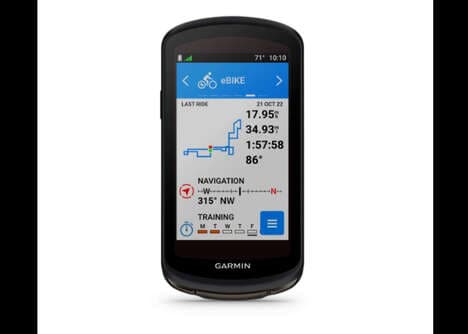


Power meters, used by competitive cyclists to monitor their power output, often cost anywhere between $1,000 and $2,000. However, 'The Limits' power meter, devised by a pair of Scottish engineers, costs less than $400. It sits between the pedal and crank of the bike, and doesn't have to be built into a crank arm as power meters often are.
The device measures cadence and torque, and uses the data to calculate power output in real time. It is powered by a coin cell battery that should last about a year.
The advantage of this power meter is that users can use the same device for multiple bicycles for added convenience and reduced cost. As a bonus, the device creates a slight gap between the pedals and cranks, which could help alleviate knee pain.
What's Driving This Trend
- Low-cost Power Meters
- Affordable power meters open up the market to non-competitive cyclists, creating an opportunity for companies to develop and sell low-cost, user-friendly models.
- Multiuse Bike Gadgets
- Developing bike gadgets that can be easily moved from bike to bike reduces consumer costs and expands the user market.
- Pain-reducing Devices
- Creating devices that can help alleviate pain during common physical activities can target a wide range of consumers and potentially lead to a new product niche.
Who This Affects Most
- Sports Equipment Manufacturing
- The low-cost power meter has the potential to disrupt the power meter market, creating opportunities for companies that specialize in sports equipment manufacturing.
- Fitness Technology
- The multiuse capabilities of the new power meter trend could lead to the development of more versatile fitness technology as advancements in sensor and data processing continue.
- Medical Device Manufacturing
- The pain-reducing device trend could potentially branch into medical device manufacturing, specifically with a focus on non-invasive treatment options for chronic pain sufferers.