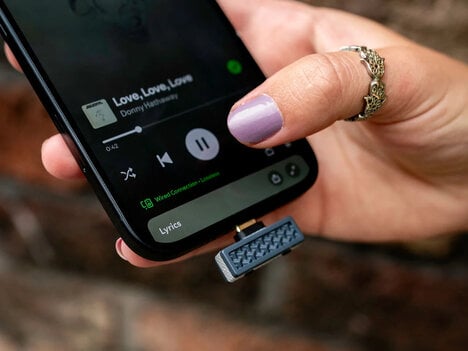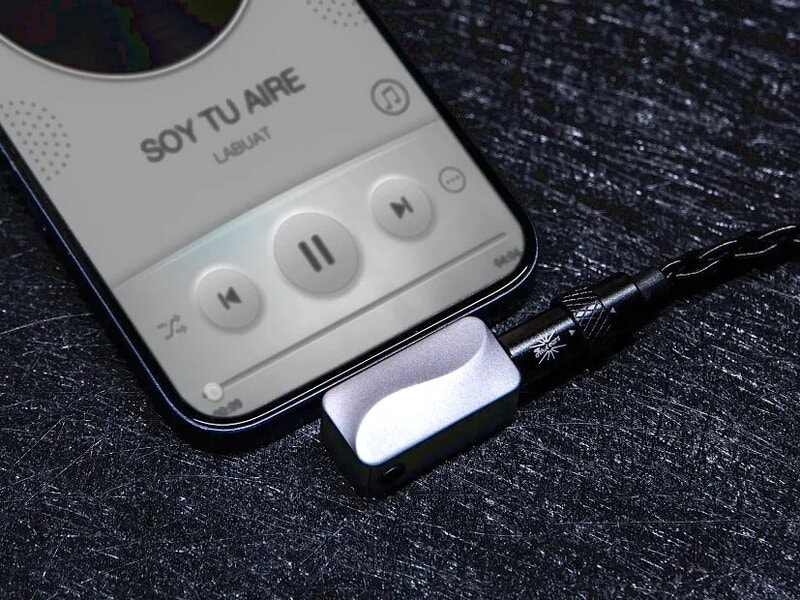
Kiwi Ears built the ‘Coda USB-C DAC’ to bring balanced headphone support and browser-based EQ controls to listeners using mobile devices and laptops. The compact adapter also supports 32-bit, 384 kHz PCM audio, letting a small dongle deliver higher-resolution playback without extra drivers or setup software.
Its aluminum shell keeps the unit easy to carry with a phone, and it works with both unbalanced and balanced headphones. Sound tuning happens through the ‘Kiwi Ears Equalizer’ website, where listeners can use a 5-band EQ, adjust playback and save presets.
At $29.99, the ‘Coda’ turns balanced listening and web-based tuning into a low-cost audio add-on rather than a larger desktop purchase. Availability through the Kiwi Ears website and Amazon widens its reach to people who want one pocketable adapter for phones and laptops.
Image Credit: Kiwi Ears
Why This Trend Is Growing
- Browser-based Audio Tuning
- Web-accessible equalizer controls make personalized sound profiles easier to manage across devices without dedicated apps or driver installations.
- Affordable Balanced Listening
- Low-cost USB-C DACs are bringing balanced headphone performance into mainstream mobile audio instead of limiting it to premium desktop setups.
- Pocketable Hi-res Adapters
- Compact dongles with high-resolution playback support create room for accessory brands to upgrade phone and laptop listening without bulky hardware.
Industries Being Reshaped
- Consumer Electronics
- Portable audio adapters highlight how small-format peripherals can extend device functionality as phones and laptops continue dropping legacy ports.
- Personal Audio
- Balanced headphone compatibility in budget accessories expands the market for higher-fidelity listening among casual users and enthusiasts alike.
- E-commerce Retail
- Direct-to-consumer and marketplace availability helps niche audio products reach global buyers seeking inexpensive upgrades with minimal setup barriers.