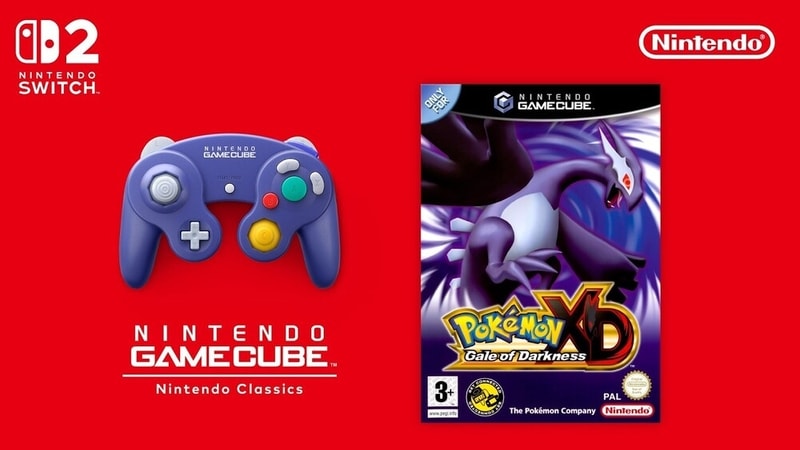
Nintendo has added the GameCube-era RPG 'Pokémon XD: Gale of Darkness' to its Switch Online GameCube expansion, bringing the sequel to subscribers on Switch 2 consoles in March and featuring the original title’s console-only presentation.
The debut was announced during a Pokémon anniversary showcase alongside other retro returns, positioning the release as the first of two GameCube-era Pokémon additions previously teased by Nintendo. The GameCube expansion is accessible only on Switch 2 hardware, so the rollout makes Gale of Darkness effectively a Switch 2 exclusive for most players, with Pokémon Colosseum still awaiting a confirmed date.
For fans, the arrival revives a beloved home-console entry with modern convenience: cloud-enabled emulation that preserves the original visuals and controls while removing the need for legacy hardware. The release underscores a broader trend of platform holders monetizing nostalgia with curated classic libraries that reward console upgrades and subscription loyalty.
Image Credit: Nintendo
What's Driving This Trend
- Nostalgia Monetization
- Reviving retro titles within curated libraries demonstrates new revenue streams that repackage legacy IP for recurring subscription income.
- Console-exclusive Subscription Tiers
- Limiting certain retro content to next‑generation hardware creates premium tiers that reshape upgrade incentives and customer segmentation.
- Cloud-enabled Emulation Preservation
- Streaming legacy games with preserved visuals and controls highlights a model for maintaining playability without dependence on obsolete physical hardware.
Who This Affects Most
- Video Game Publishing
- Publishers stand to redefine catalog value by curating classic catalogs and packaging exclusives that influence lifetime customer value.
- Cloud Gaming Infrastructure
- Providers of low-latency streaming and emulation services are positioned to enable wide distribution of legacy titles while controlling quality and DRM.
- Consumer Hardware Manufacturers
- Console makers can leverage exclusive retro access to drive hardware upgrades and differentiate platform ecosystems through bundled or tiered offerings.