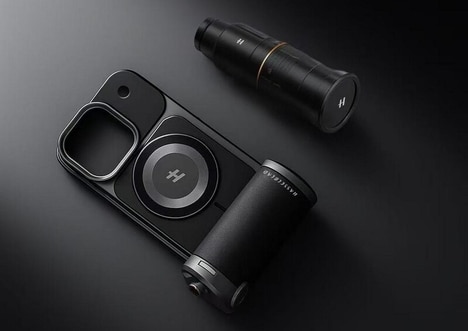

Poco's F9 lineup pairs the Poco F9 Ultra with the Poco F9 Pro, with the Ultra featuring a much larger 8,050mAh battery and a 200MP main camera. The F9 Ultra carried an early-bird price of $730/€830 while the F9 Pro's early-bird price sat at $650/€740.
The F9 Pro brings a Snapdragon 8 Elite Gen 5 V Series chipset, a 200MP main camera and a 2.5x/60mm 50MP telephoto unit alongside a 6,330mAh battery. The F9 Ultra is available in high-capacity trims such as 512GB/16GB and 1TB/16GB according to listed offers, and the series historically sees frequent discounts and promotions.
For shoppers the Ultra delivers endurance and high-res imaging for longer use and heavy shooting sessions, while the Pro targets a more balanced camera and chipset mix with a smaller battery. Price moves and promotions are likely to shape which model appeals to value-minded buyers.
Image Credit: GSMArena.com
What Makes This Trend Stand Out
- Affordable Flagship Performance
- Premium chipsets and high-end cameras at mid-tier pricing create space for brands to redefine flagship value expectations.
- Battery-centric Smartphones
- Oversized batteries support longer gaming, travel, and content creation sessions, positioning endurance as a major product differentiator.
- High-resolution Mobile Imaging
- 200MP sensors and advanced telephoto hardware expand smartphone appeal among creators seeking professional-style photography without standalone cameras.
Sectors Adopting This
- Consumer Electronics
- Competitive pricing on premium mobile hardware reshapes device upgrade cycles and pressures established brands to justify higher flagship costs.
- Mobile Photography
- Advanced camera systems in value-focused phones broaden access to high-quality imaging tools for social media, commerce, and creator workflows.
- Telecommunications
- High-capacity smartphones with performance chipsets increase demand for data-heavy mobile services, cloud storage, and network optimization.