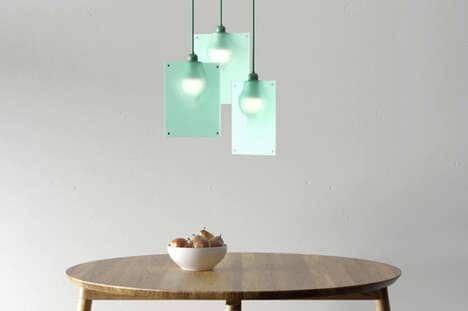
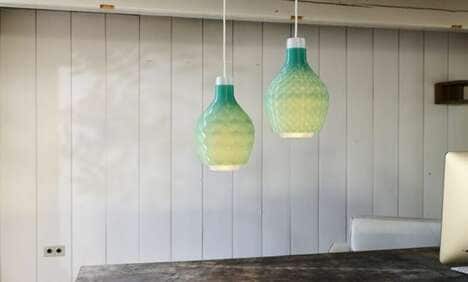
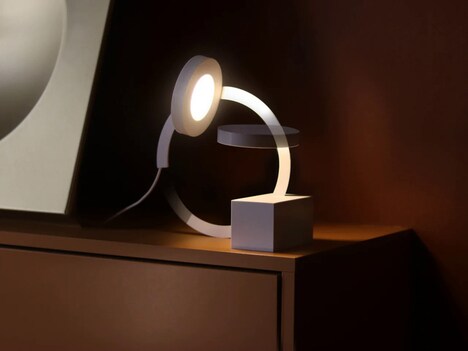
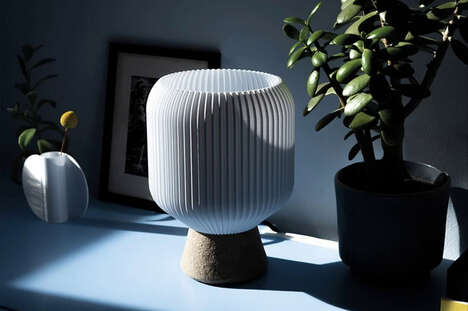
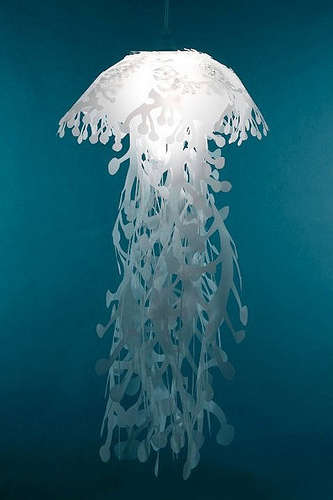
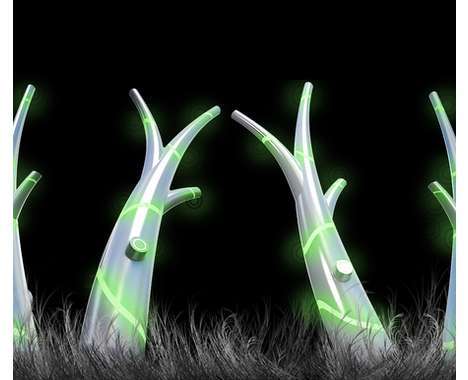
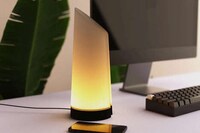
The Plexiglass Lamp is meant to create the perfect starry night right in your living room. The mood setting design uses an energy-saving bulb that hides in the base of the light bulb. The light source is shot through the plexiglass rods to create the perfect setting for a romantic night in.
Even when unlit, the Plexiglass Lamp looks like a piece of modern art. Check it out in the gallery above!
Implications - Consumers are trying to conserve energy costs due to the recent economic downturn. Low-energy products also satiate consumer desire to reduce their carbon footprints upon the planet, a pattern that's proliferated on a societal scale. Corporations looking to influence consumer purchases may find it advantageous to engineer their products to utilize as minimal energy as possible.
Key Themes Behind This Trend
- Energy-saving Lighting
- Creating low-energy lighting products that can still meet customers' mood-setting needs is an area of disruptive innovation.
- Mood-setting Design
- Designing products with the specific goal of setting a desired mood (in this case, a romantic setting) is a trend in consumer product design.
- Functional Art
- Creating functional products (in this case, a lamp) that also have an aesthetic appeal even when unlit is an area of disruptive innovation.
Where This Applies
- Lighting
- Creating energy-saving lighting products can be a disruptive innovation opportunity for the lighting industry.
- Home Decor
- Designing products that serve both a functional purpose and have an aesthetic appeal can be a disruptive innovation opportunity for the home decor industry.
- Hospitality
- Incorporating mood-setting design into hospitality environments (such as hotels or restaurants) can be a disruptive innovation opportunity for the hospitality industry.