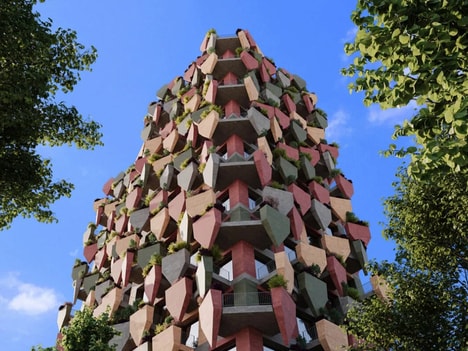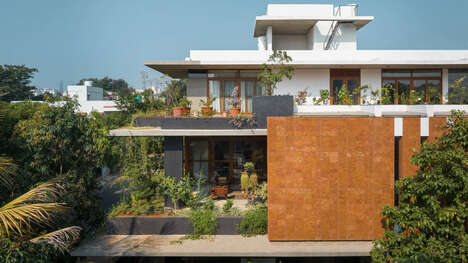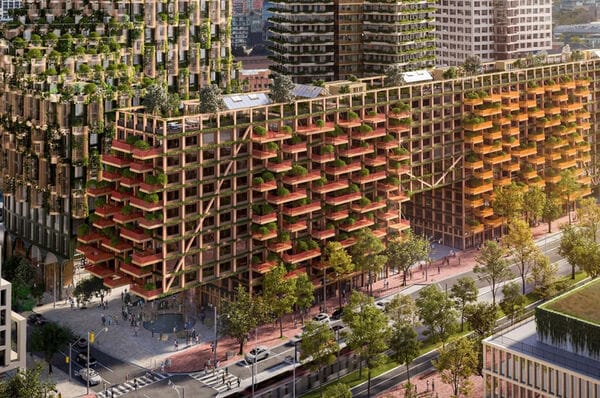


Plant-covered buildings and projects that elegantly combine nature with architecture have seen a rise in popularity over the last couple of years. This trend comes as a result of planet consciousness—that is, consumers and professionals are wary of climate change—as well as a need for green spaces as more people come to terms with how important the presence of nature is for mental health, especially in the metropolitan setting.
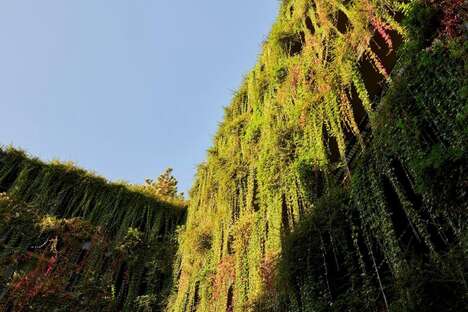
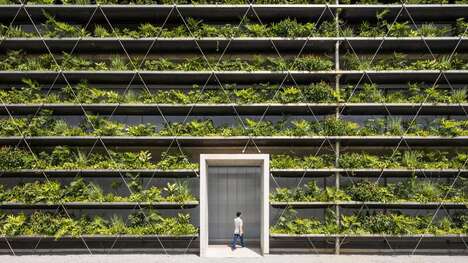
A recent example of a plant-covered building comes from the French-Brazilian studio Triptyque, designer Philippe Starck, and landscape studio Coloco. Located in Montparnasse, a sizable hotel boasts a beautiful and lush vertical garden as a facade. As plants spill out of the edges and frames of the facade and the deep black steel beams that support it, the presence of nature is surely felt in the Parisian city.
Image Credit: Michael Denancé
Key Themes Behind This Trend
- Plant-covered Architecture
- The trend of incorporating nature into architectural designs is on the rise, offering disruptive innovation opportunities for sustainable and eco-friendly building practices.
- Biophilic Design
- The increased demand for green spaces in urban areas has resulted in biophilic design trends that prioritize human connection to nature, presenting opportunities for businesses to innovate in areas such as landscape architecture and interior design.
- Nature Consciousness
- Growing concern for climate change and its impact on the planet has led to a trend towards nature consciousness, providing opportunities for businesses to innovate in sustainable and environmentally friendly practices.
Where This Applies
- Architecture and Design
- The trend of incorporating nature into architectural designs and biophilic design presents disruptive innovation opportunities for architecture and design firms.
- Sustainability and Green Building
- The demand for sustainable and eco-friendly building practices in response to growing climate change concerns presents disruptive innovation opportunities for green building and sustainable construction industries.
- Landscape Architecture
- The increased demand for green spaces in urban areas presents disruptive innovation opportunities for landscape architecture firms to rethink outdoor spaces and incorporate biophilic design principles.