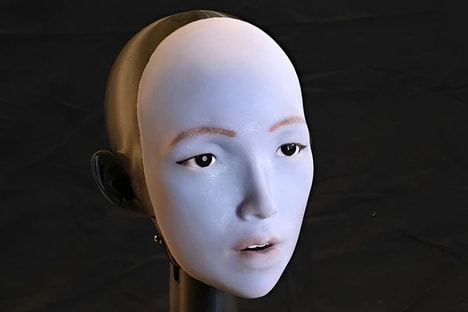
Physical Face Cloning is going to bring a whole new element to how one enjoys Disney movies. This process is currently being developed by the company through its research team in Zurich, Switzerland. The process would make animatronic characters look even more like real human beings.
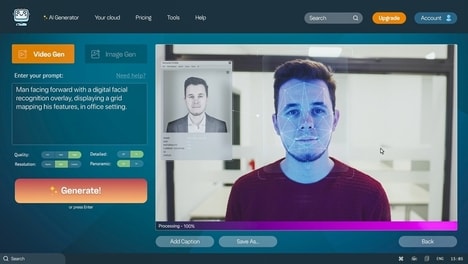
The company starts the process by scanning a 3D image of someone's face and trying to match it exactly with their shape, skin elasticity and even wrinkles. It would capture different images from side to side, as well as varying facial expressions.
Visitors to the park will hardly be able to tell the difference between these characters and real theme-park employes. The YouTube video provided by the designers gives a better understanding of how the process works.
Why This Trend Is Growing
- Physical Face Cloning
- Disney's development of Physical Face Cloning technology opens up opportunities for creating lifelike animatronic characters.
- Realistic Animatronics
- Advancements in creating animatronic characters that closely resemble real human beings have the potential to revolutionize theme parks and entertainment.
- Enhanced Guest Experience
- The use of Physical Face Cloning in theme parks can provide visitors with an immersive and realistic experience, blurring the line between reality and fantasy.
Industries Being Reshaped
- Entertainment
- The Entertainment industry can leverage Physical Face Cloning technology to create more engaging and lifelike characters in films, theme parks, and virtual experiences.
- Robotics
- The Robotics industry can explore the use of Physical Face Cloning to enhance the realism and human-like qualities of robots in various applications, from customer service to healthcare.
- 3D Scanning
- The 3D Scanning industry can benefit from the advancements in Physical Face Cloning technology by providing high-precision scanning services for creating accurate digital replicas of human faces.