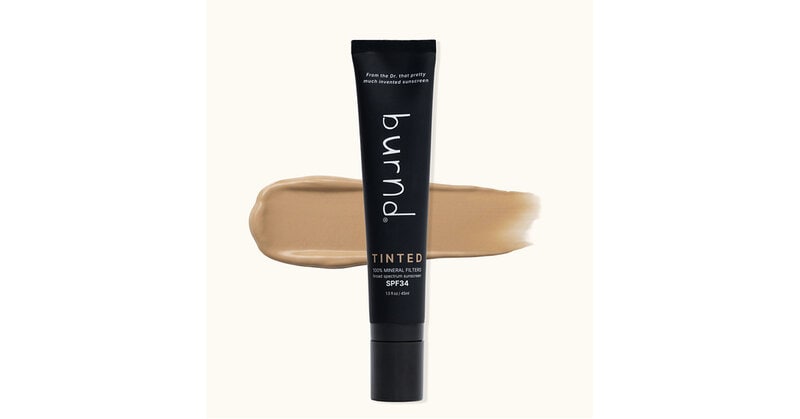
burnd is expanding photolyase mineral sunscreens with Tinted SPF 34, a doctor-developed formula that pairs broad-spectrum UV protection with skincare-focused ingredients. The 100% mineral sunscreen contains photolyase, an enzyme naturally present in plants, algae, and other organisms. A sheer tint helps complement the complexion, while the smooth, matte texture is designed for comfortable everyday wear. The formula can also be reapplied throughout the day without sacrificing its moisturizer-like feel.
The $45 sunscreen gives burnd a way to combine protection, skincare, and cosmetic benefits within a single daily product. By addressing concerns around how mineral SPF looks and feels on the skin, the brand can appeal to consumers seeking sun care that fits naturally into beauty routines. Its year-round positioning may also encourage more consistent use beyond seasonal sunscreen purchases.
Image Credit: burnd
What's Driving This Trend
- Photolyase Skincare
- Enzyme-enhanced sun care blends UV defense with repair-oriented skincare cues, creating room for multifunctional daily products that move beyond traditional SPF positioning.
- Cosmetic Mineral SPF
- Tinted, matte mineral sunscreens reduce barriers around white cast and texture, opening premium opportunities at the intersection of complexion products and dermatological protection.
- Year-round Sun Care
- Daily-wear sunscreen formats support a shift from seasonal beach use to habitual beauty routines, expanding demand for comfortable formulas designed for repeated application.
Who This Affects Most
- Beauty and Personal Care
- Hybrid SPF products combine skincare, makeup, and protection benefits, reshaping category boundaries and encouraging new value propositions in everyday complexion care.
- Dermatology
- Doctor-developed formulas with bioactive ingredients strengthen consumer trust in preventative skin health, signaling growth potential for clinical-grade products sold through consumer channels.
- Cosmetics
- Sheer tint and moisturizer-like textures position sunscreen as a cosmetic staple, creating differentiation opportunities for brands merging aesthetic performance with functional protection.