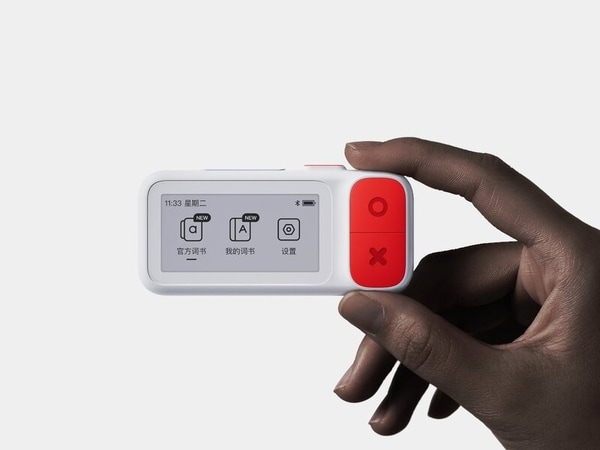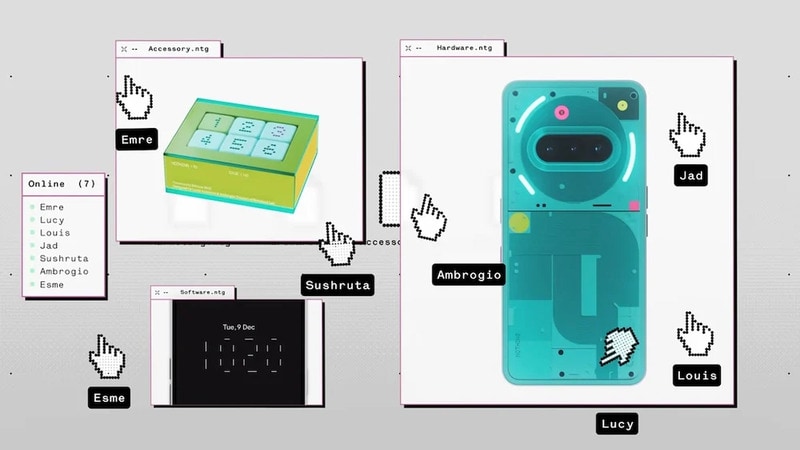
Nothing Phone 3a Community Edition revives late 1990s aesthetics with translucent frosted teal glass and color-coded buttons inspired by early-millennium electronics. The device shares hardware with the standard 3a including a 6.77-inch AMOLED 120 Hz display, Snapdragon 7s Gen 3 processor, triple-camera setup and 5000 mAh battery. The Community Edition adds unique touches: custom backplate finish, special wallpapers and lock screen design, bespoke packaging plus an optional dust bag and case.
This release resulted from a global open design process in which over 700 fan submissions were narrowed to a few contributors. By blending nostalgia with modern specs, the edition aims to deliver personality alongside functionality. Only 1,000 units will be produced worldwide, making it a limited collector’s item.
Image Credit: Nothing
Why This Trend Is Growing
- Nostalgia-driven Consumer Electronics
- Product designs rooted in nostalgia are tapping into consumer desires for emotional connections, as seen with the revival of retro technology aesthetics.
- Limited-edition Tech Releases
- Tech firms are creating buzz and exclusivity by launching limited-edition products, which enhances brand allure and encourages consumer differentiation.
- Community-sourced Product Design
- Involving consumers in the design process allows for a personalized product development approach, fostering brand loyalty and engagement.
Industries Being Reshaped
- Consumer Electronics
- Advancing nostalgic tech design within modern consumer electronics can capture market segments seeking unique and emotionally evocative devices.
- Collectibles and Memorabilia
- The trend of limited-run tech devices creates new opportunities within the collectibles market, merging technological appeal with scarcity value.
- Crowdsourced Design Innovation
- Industries are leveraging community input to shape product aesthetics and features, potentially reshaping traditional R&D processes.