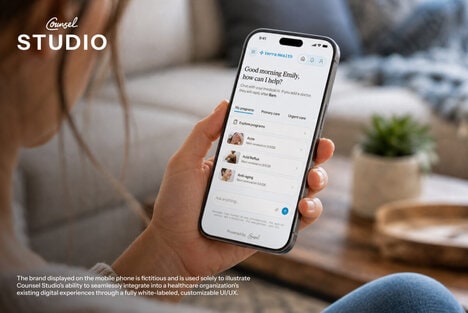

Persona-based healthcare IT is giving health systems a more flexible way to allocate digital workspace resources according to the requirements of different clinical roles. Citrix Platform Flex uses a credit-based model that allows organizations to assign computing capacity to specific workforce personas, from bedside nurses using shared workstations to radiologists requiring GPU-accelerated environments. Credits can also be reassigned as staffing levels, facilities and AI-enabled workflows change, while zero-trust access helps maintain security across different environments.
For healthcare organizations, this approach can align technology spending more closely with actual usage while making costs easier to predict. It can also reduce unnecessary infrastructure expenses and simplify responses to acquisitions, seasonal staffing and changing clinical demands. For enterprise technology providers, flexible consumption models create opportunities to serve increasingly dynamic workforces while supporting secure adoption of AI tools and other resource-intensive healthcare applications.
Image Credit: fizkes/Shutterstock
What's Driving This Trend
- Persona-based Workspaces
- Role-specific digital environments create room for healthcare systems to match computing power, access controls and application availability to real clinical workflows.
- Flexible IT Consumption
- Credit-based infrastructure models introduce more adaptable cost structures as hospitals respond to staffing shifts, mergers and fluctuating care demands.
- Secure Clinical AI Access
- Zero-trust workspace delivery supports the growing need for protected access to GPU-intensive imaging, diagnostics and AI-enabled healthcare tools.
Who This Affects Most
- Healthcare IT
- Dynamic workspace allocation signals a shift toward infrastructure designed around clinician personas rather than static departmental provisioning.
- Cloud Computing
- Elastic capacity models open new possibilities for enterprise cloud providers serving hospitals with variable resource and compliance requirements.
- Cybersecurity
- Identity-centered access frameworks become increasingly valuable as distributed clinical teams use shared devices, virtual desktops and AI applications.