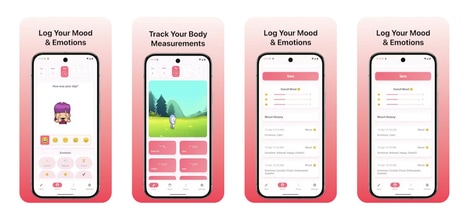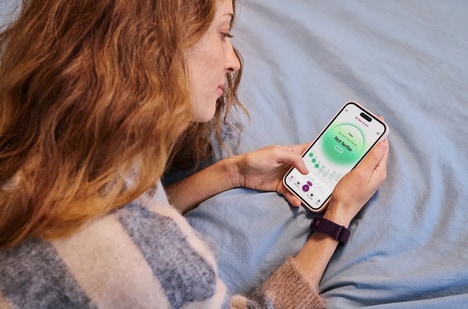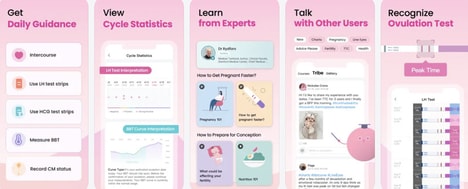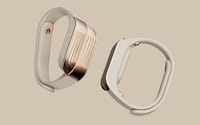
Period Tracker is a digital health application designed to help users monitor and understand their menstrual cycles. It enables individuals to log cycle data, predict upcoming periods, and receive personalized insights related to reproductive health patterns.
The app focuses on providing a structured way to track biological rhythms, which can support planning and awareness of physical and emotional changes over time. By analyzing user input, it generates forecasts and health-related observations that may assist with personal wellbeing management. The platform emphasizes privacy and secure data handling, reflecting the sensitivity of health-related information. For users and healthcare professionals alike, such tools can contribute to better-informed discussions and long-term health tracking. Period Tracker represents a broader category of consumer health technologies aimed at increasing accessibility to personal health data through mobile and AI-assisted insights.
Image Credit: Period Tracker
What Makes This Trend Stand Out
- AI-powered Cycle Prediction
- Advanced machine learning models capable of forecasting menstrual patterns and health anomalies present opportunities for more accurate, individualized reproductive insights.
- Privacy-centric Health Data
- Emphasis on secure, user-controlled data storage and anonymization methods creates scope for trust-first platforms that differentiate through enhanced personal data governance.
- Integrated Fertility Ecosystems
- Integration of cycle tracking with fertility services, labs, and partner health platforms enables comprehensive care pathways tying daily logs to clinical interventions and outcomes.
Sectors Adopting This
- Digital Health Apps
- Mobile-first applications focused on longitudinal symptom logging and predictive analytics can disrupt conventional patient monitoring by delivering continuous, personalized reproductive health narratives.
- Telemedicine and Reproductive Care
- Remote clinical consultations augmented with patient-generated cycle data have the potential to reshape diagnosis and treatment planning for menstrual and fertility-related conditions.
- Wearable Health Devices
- Sensor-equipped wearables that capture physiological markers like temperature and heart rate variability offer opportunities to enhance tracking precision and create real-time correlation with menstrual phases.