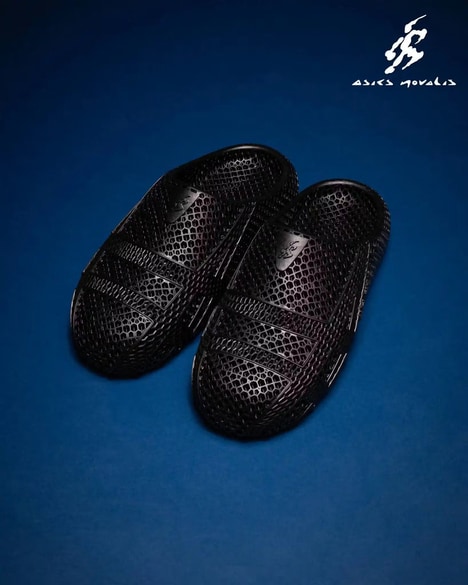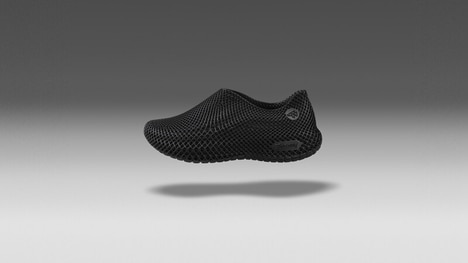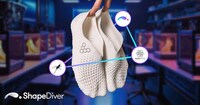
The newly unveiled Parametriks Print 001 sneaker was designed using parametric algorithms and 3D printing. Created by Nathan Smith (a.k.a. Parametriks), the future-forward shoe looks resembles a more complex and street-ready Croc.
According to Smith, the design of the shoe is a largely collaborative effort between himself (a human) and his computer (a machine). In this case, Smith sets up the parameters and the computer designs a form that most efficiently adheres to those parameters.
As a result, the Parametriks Print 001 arrives in a triangular mesh matrix design that can wrap perfectly around a wearer's foot. In terms of material, the shoe is constructed from TPU, making it highly flexible but still robust enough for actual use while walking or running.
Image Credit: Parametrik Design
Key Themes Behind This Trend
- Parametric 3D Printing
- The use of parametric algorithms in 3D printing can revolutionize the manufacturing industry and allow for highly customized products.
- Collaborative Design
- The collaborative design process between humans and machines can create innovative products that are both aesthetically pleasing and functional.
- Flexible Materials
- The use of flexible materials in manufacturing can lead to more comfortable and durable products in various industries.
Where This Applies
- Footwear
- The footwear industry can incorporate parametric 3D printing and collaborative design to create personalized and comfortable shoes for customers.
- Sportswear
- The use of flexible materials in sportswear manufacturing can enhance athletes' performance and comfort.
- Automotive
- The use of parametric 3D printing and flexible materials can also transform the automotive industry by allowing for easily customizable cars and parts.