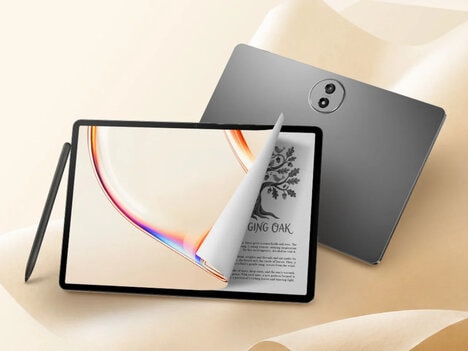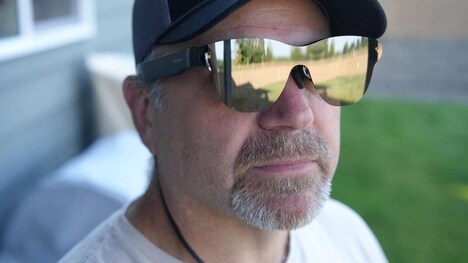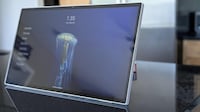
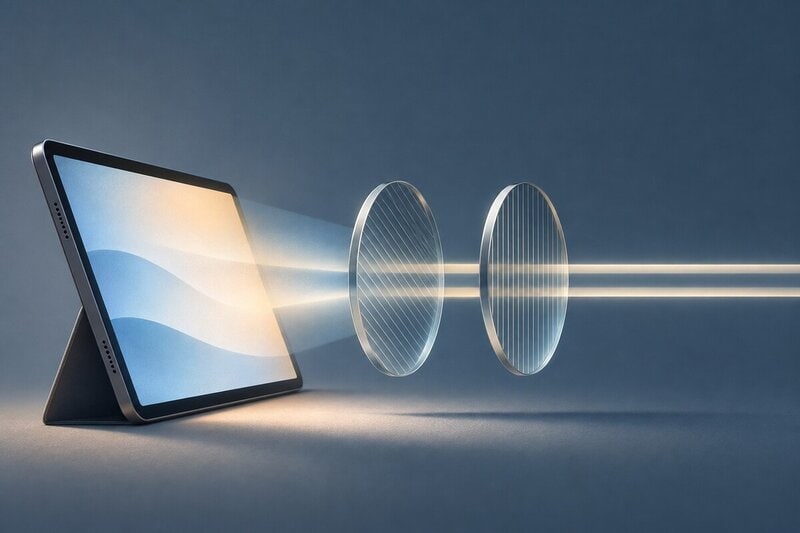
Kyodo's Myofree is a 15.6-inch Full HD Android 16 tablet for people who spend long stretches looking at a screen. Its image processing works with circularly polarized glasses to send a separate view to each eye, aiming to keep eye alignment closer to distance viewing.
At about 40 cm from the display, the setup mimics looking roughly 5 meters ahead. Makuake presales open on November 18. The first 100 units are eligible for discounts of up to 38%, and the tablet supports Wi‑Fi and HDMI input/output. It is not a medical device, and its eye-comfort claims have not been independently verified.
Circularly polarized glasses turn eye comfort into an accessory-led tablet feature rather than a software tweak. The November 18 presale also gives early buyers a clearer way to judge whether that added step fits work and entertainment use.
Image Credit: AI-generated
What Makes This Trend Stand Out
- Accessory-led Eye Comfort
- Hardware-and-glasses pairings create space for screen makers to differentiate comfort features beyond conventional display settings.
- Parallel Vision Displays
- Separate-image delivery to each eye suggests new formats for productivity, entertainment, and wellness-oriented viewing experiences.
- Presale-validated Ergonomics
- Crowdfunded launches provide early market signals for niche ergonomic devices before broader retail or enterprise adoption.
Sectors Adopting This
- Consumer Electronics
- Tablet manufacturers can use optical accessories and image processing to redefine premium device value around long-session comfort.
- Digital Wellness
- Eye-strain prevention products gain a new category bridge between wellness claims, workplace habits, and everyday screen use.
- Workplace Technology
- Office hardware ecosystems may expand toward vision-friendly displays that support extended digital tasks without relying solely on software breaks.