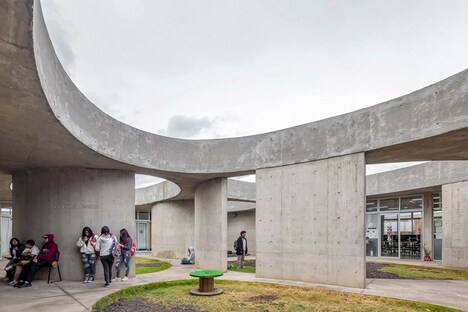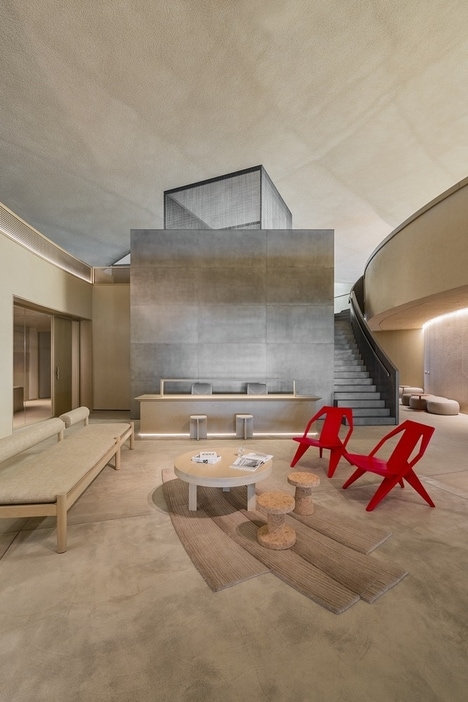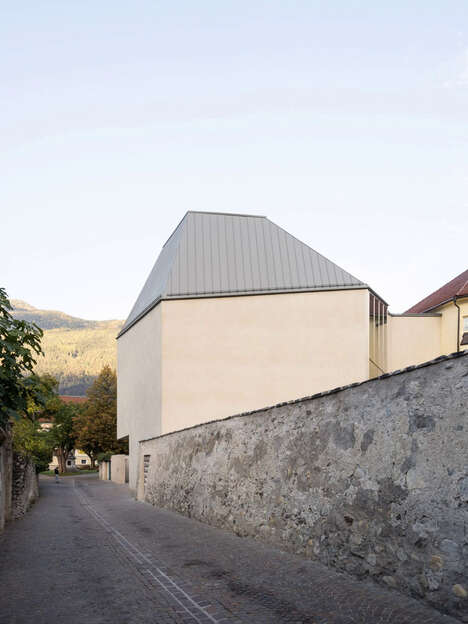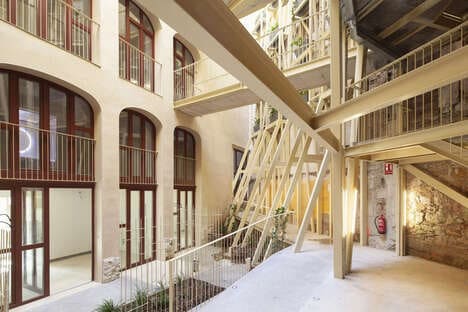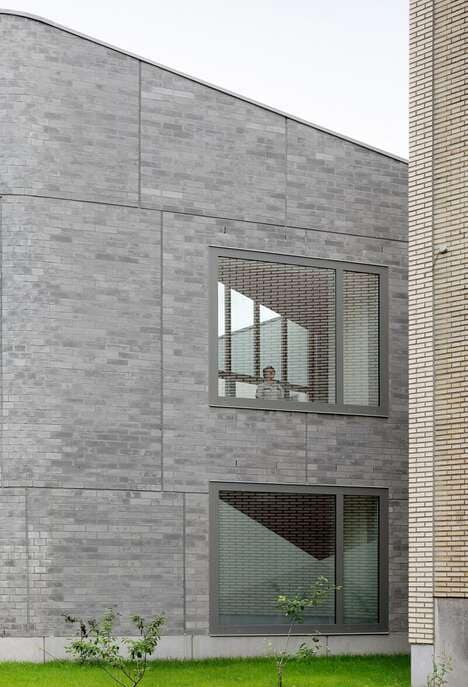

Dutch architecture firm Mecanoo recently completed the Spanish city of Cordoba's Palace of Justice, and the design makes reference to local history. Cordoba has a rich history, having been the capital of the Roman province of Baetica, a capital in the Umayyad empire, and eventually a key city through the Spanish middle ages. The Palace of Justice recognizes that history, with a design that hints at the design tendencies of those various ancient and medieval dominions.
The building has a puzzle-like structure according to Mecannoo, which is reflective of the dense cultural mosaic that pervades the city. Its facade features a series of tiles with an abstract design stamped into them, almost like a map of an ancient, foreign city. The building also comprises several enclaves that make it more dynamic and mysterious.
What Makes This Trend Stand Out
- Historical Influence in Architecture
- An emerging trend in architecture is incorporating historical influences to create designs that pay homage to a region's cultural heritage.
- Abstract Facade Designs
- Architecture is embracing abstract facade designs, using patterns and motifs that evoke a sense of mystery and intrigue.
- Dynamic and Mysterious Structures
- There is a growing interest in creating buildings with multiple enclaves and hidden spaces, adding an element of dynamism and intrigue to the overall design.
Sectors Adopting This
- Architecture
- Architects and design firms can explore how to incorporate historical influences in their projects, creating unique and culturally significant structures.
- Construction
- The construction industry can adapt to the trend of abstract facade designs, finding innovative methods to bring these intricate designs to life.
- Tourism and Hospitality
- The tourism and hospitality industry can capitalize on the popularity of dynamic and mysterious structures, offering unique and immersive experiences to visitors and guests.