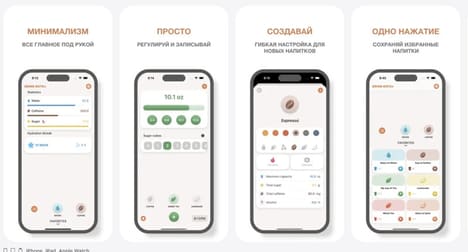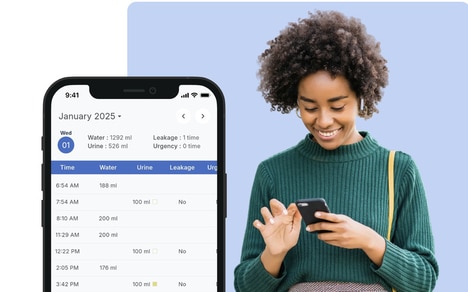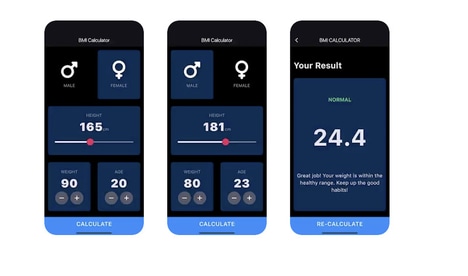
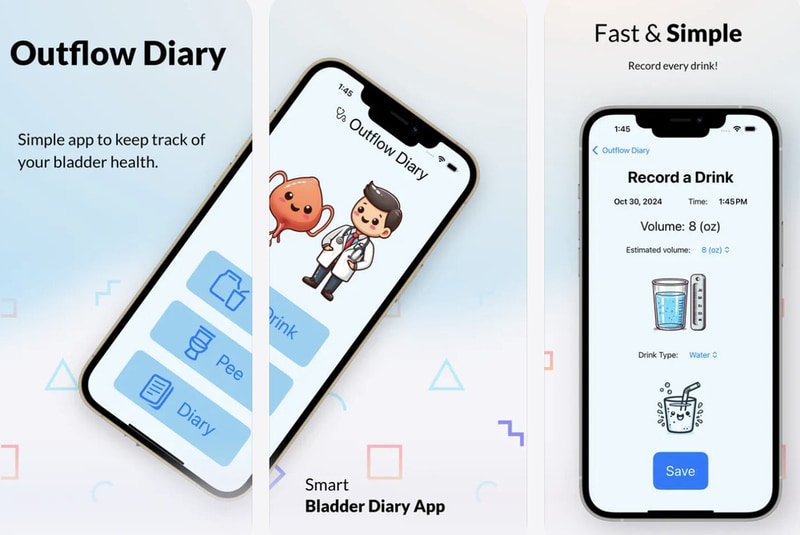
Outflow Diary is a mobile health tracking application designed to help users log and monitor fluid intake and discharge over time. It provides a structured interface for recording hydration levels and related bodily output, supporting personal health awareness and routine tracking.
The app is positioned as a simple, distraction-free tool, focusing on usability and minimal design rather than complex features. It is typically used for general wellness tracking as well as specific health monitoring needs where fluid balance is relevant. By centralizing intake and output data, it allows users to observe patterns and maintain consistent records that may be useful for personal review or clinical discussions. Outflow Diary reflects a broader category of digital health tools that prioritize self-monitoring and preventative awareness. Its primary function is to offer an organized, accessible method for tracking hydration-related health metrics over time.
Image Credit: Outflow Diary
What Makes This Trend Stand Out
- Minimalist Health Tracking
- A focus on distraction-free interfaces presents opportunities for lightweight monitoring tools that reduce user friction while preserving clinically relevant data streams.
- Fluid-balance Analytics
- Advanced pattern-detection models applied to intake and discharge logs could generate new predictive markers for hydration-related conditions.
- Patient-clinical Data Integration
- Centralized, shareable records of hydration metrics enable closer alignment between self-tracked data and clinical workflows, creating potential for interoperable health records.
Sectors Adopting This
- Mobile Health Apps
- Apps prioritizing simple UX and focused measurement can disrupt broad wellness platforms by delivering higher adherence and more reliable longitudinal data.
- Wearable Hydration Sensors
- Noninvasive sensors that continuously estimate fluid status offer potential to transform episodic logging into continuous physiological monitoring.
- Telehealth and Remote Monitoring
- Remote care services increasingly incorporating patient-generated hydration data could shift routine assessments away from clinic visits toward virtual management.