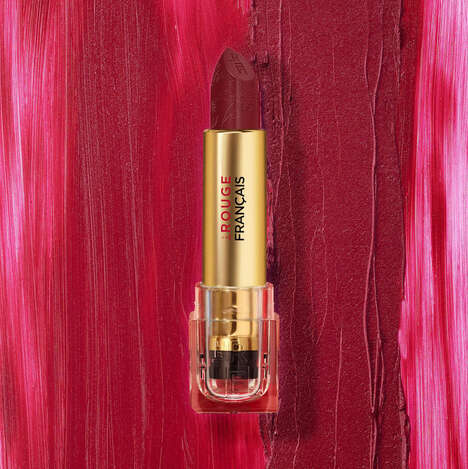
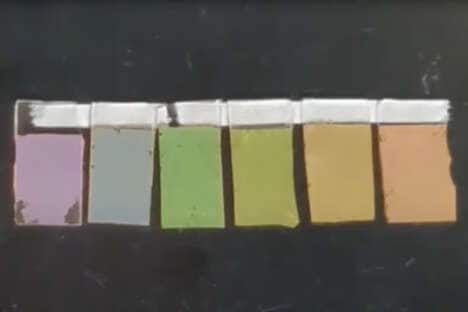
Evelien Crooy, a graduate of graphic design, created shades of red organic ink using tiny female insects. The cochineals are usually found in South America and are known for their ability to produce a red dye called carmine.
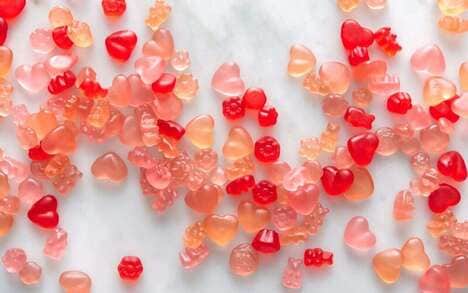
When the bugs are mixed with natural acids and salt, different shades of red are produced. Crooy also wrote a book that features photographs of products that contain this unique organic ink. Some of these products are candies, cosmetics and drinks. She screen-printed the cover of the book from the ink as well.
Crooy told Dezeen, "I also think there is a dark side to the whole idea of using an insect but I wanted to show her beauty and all the colors she can produce." This creative way to make organic ink could inspire many artists to use raw materials or make their own for their artwork.
What Makes This Trend Stand Out
- Natural Dye Making
- The trend of creating dyes using organic materials, like insects, could disrupt the synthetic dye industry and create new opportunities for sustainable fashion and textiles.
- Insect-based Products
- The use of insects for creating various products, like ink, could disrupt conventional agricultural practices and create new opportunities for insect-based food and beauty products.
- DIY Art Materials
- This trend could inspire artists to experiment with creating their own materials and disrupt the traditional art supply industry, creating new opportunities for makerspaces and craft suppliers.
Sectors Adopting This
- Fashion and Textiles
- The fashion and textile industry could benefit from this trend by exploring new, sustainable dye-making methods.
- Agriculture and Food
- The use of insects for ink could disrupt the agricultural industry and create new opportunities for insect-based food and beverage products.
- Art Supplies
- This trend could disrupt the traditional art supply industry, creating new opportunities for makerspaces and craft suppliers.