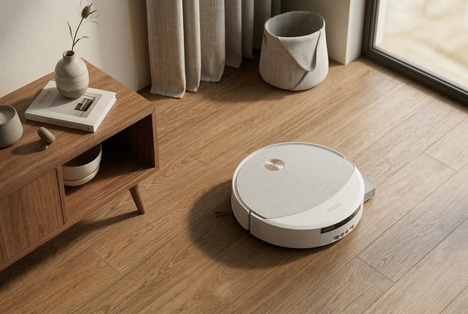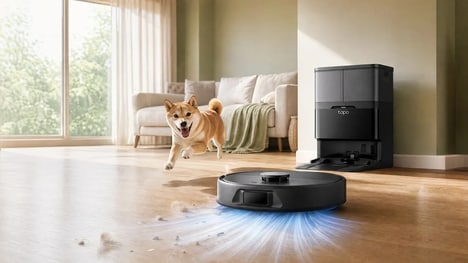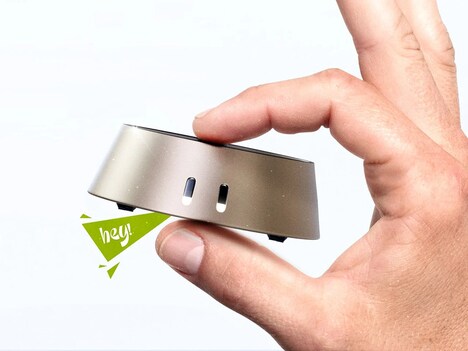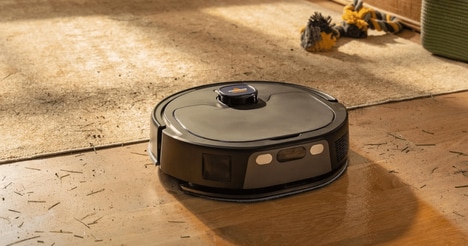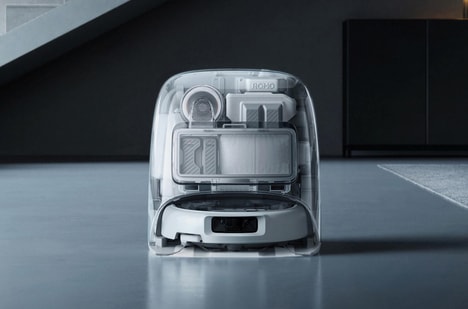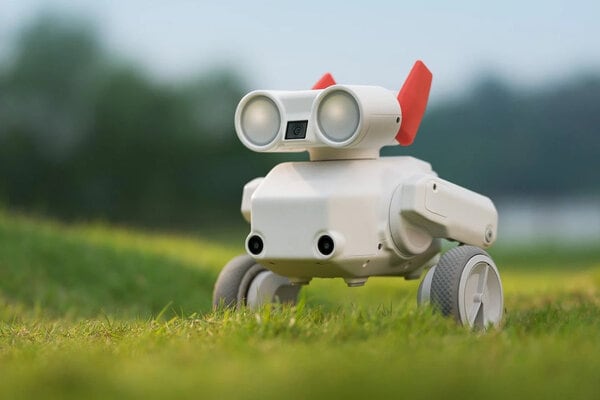
Open-source robot vacuums are reshaping home robotics by giving consumers the ability to build, customize, and repair their own intelligent cleaning devices instead of relying on closed ecosystems. OOMWOO combines 3D-printable components, open-source software, ROS2 compatibility, LiDAR navigation, and Home Assistant integration into a platform that encourages community-driven development and long-term upgradeability. Rather than replacing an entire device when new features emerge, users can modify hardware and software as the project evolves.
For businesses, this model creates opportunities for new revenue streams through parts kits, premium components, support services, and developer tools rather than hardware sales alone. It also encourages ecosystems where third-party contributors expand functionality and extend product lifecycles. As consumers increasingly value repairability, transparency, and ownership, open-source robotics could challenge traditional consumer electronics brands to adopt more modular, serviceable product strategies while fostering stronger user communities.
Image Credit: OOMWOO
What Makes This Trend Stand Out
- Open-source Home Robotics
- Community-built cleaning devices signal a shift toward transparent platforms where consumers can customize features, repair components, and extend product lifecycles beyond traditional appliance models.
- Modular Consumer Electronics
- Repairable hardware and upgradeable software create space for brands to monetize replacement parts, add-on modules, and long-term support instead of relying solely on full-device replacement.
- Maker-led Automation
- DIY robotics ecosystems expand innovation beyond manufacturers by enabling hobbyists, developers, and third-party suppliers to improve household automation through shared designs and tools.
Sectors Adopting This
- Consumer Robotics
- Open architectures in robotic vacuums can pressure established brands to adopt more flexible platforms that support customization, integration, and user-driven feature development.
- Smart Home Technology
- Home Assistant compatibility and connected navigation systems point to broader opportunities for interoperable devices that function within user-controlled smart home environments.
- 3D Printing
- Printable components for household robots highlight demand for localized production, aftermarket parts, and customizable hardware that reduces dependency on centralized manufacturing.