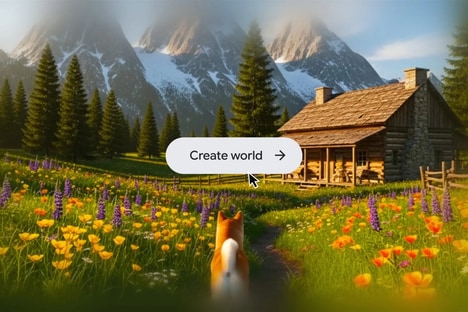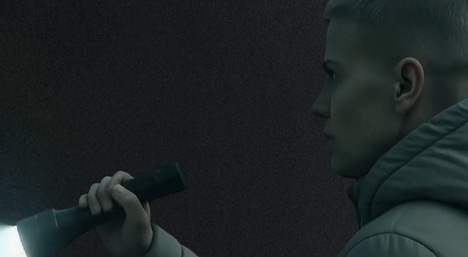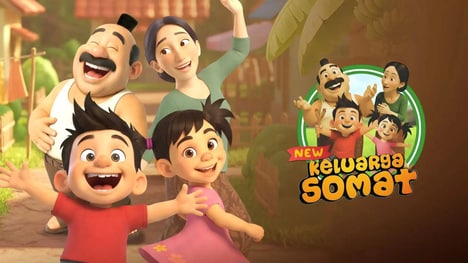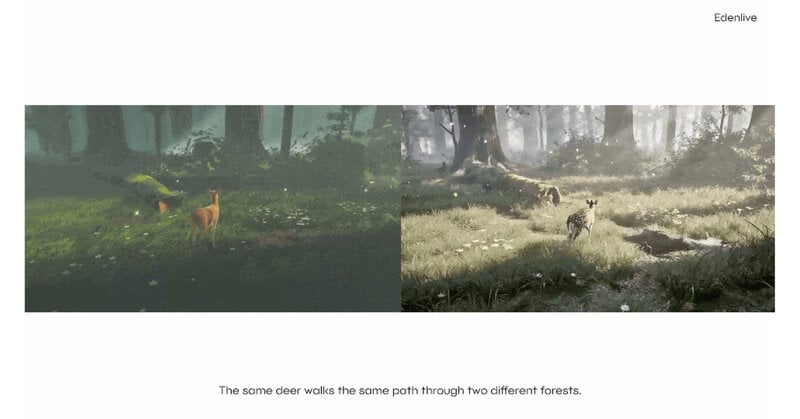
Tripo AI is expanding interactive world-building with 'EdenLive,' a generative renderer that turns rough scenes from code agents, games, or simulations into richer moving images while the world state changes separately. For developers and creators, that split lets the same scene logic drive different looks without rebuilding movement or camera paths.
EdenLive can run for several minutes and reaches 720p at more than 24 frames per second on a single consumer GPU, keeping previews responsive instead of offline. Tripo AI also released it as open-source software with model weights and live-generation code for teams testing game previews, restyling, or robot-training footage.
Open-source access and consumer-GPU performance move generative rendering closer to everyday production pipelines, not just lab demos. That widens its fit for studios and embodied AI teams that want alternate visual styles or viewpoint changes without replacing the engine that controls the scene.
Image Credit: Tripo AI
What Makes This Trend Stand Out
- Live Scene Restyling
- Real-time visual transformation of rough simulations creates room for production pipelines where one functional world state supports multiple aesthetic outputs without rebuilding core logic.
- Consumer-gpu Rendering
- Accessible hardware performance brings generative rendering closer to small studios, indie developers, and robotics teams that previously relied on costly offline workflows.
- Open-source World-building
- Shared models and generation code lower experimentation barriers around interactive environments, enabling faster customization of game previews, simulations, and synthetic footage.
Sectors Adopting This
- Game Development
- Studios gain new flexibility from separating gameplay logic from visual styling, supporting rapid prototyping, art-direction testing, and adaptive preview generation.
- Robotics Training
- Embodied AI systems benefit from varied synthetic footage that can alter lighting, texture, and viewpoint while preserving consistent scene behavior for training.
- Digital Media Production
- Creators working with animated scenes and virtual environments can use generative renderers to expand stylistic variation while maintaining synchronized motion and camera structure.