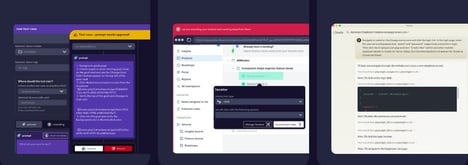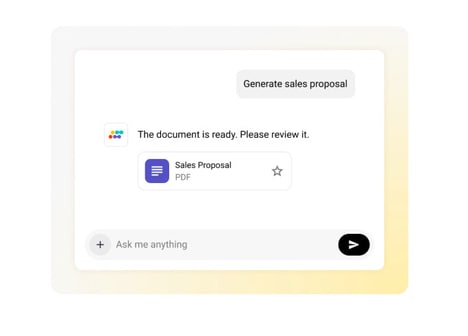

O-mega is an AI-powered platform designed to automate business workflows by deploying autonomous virtual agents. These agents are capable of learning a company’s software stack and performing daily operational tasks with minimal human intervention, guided by a single prompt. The platform is intended to support non-technical founders and operators, offering automation while maintaining flexibility for changes in business processes.
By centralizing repetitive or routine work, O-mega can potentially improve efficiency, reduce errors, and free teams to focus on higher-value activities. Its use of AI-driven agents reflects a broader trend in enterprise automation, where intelligent systems are applied to organizational tasks rather than individual productivity. Businesses adopting such platforms can streamline operations, scale processes more rapidly, and experiment with workflow automation without extensive technical infrastructure.
Image Credit: O-mega
Why This Trend Is Growing
- AI-driven Enterprise Automation
- The rise of AI-driven enterprise automation reshapes business operations by learning company software to autonomously handle routine tasks, promoting efficiency and scalability.
- Flexible Automation Solutions
- Adaptive automation systems offer customizable solutions that accommodate dynamic changes in business processes, streamlining workflows without demanding technical expertise.
- Centralized Workflow Innovation
- Centralized workflow innovation optimizes operational efficiency by integrating varied business tasks into seamless, AI-managed processes, reducing reliance on human intervention.
Industries Being Reshaped
- Enterprise Software
- The enterprise software industry is evolving with intelligent automation platforms that embed AI capabilities directly into business software stacks to transform daily operations.
- Business Process Management
- Business process management undergoes transformation through automation solutions that minimize human interaction in organizational task execution, enhancing process management strategies.
- AI and Robotics
- The AI and robotics industry is further developing autonomous virtual agents that can independently manage and execute business operations, indicating a shift towards intelligent automation.