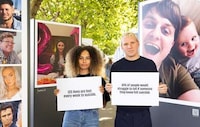


It took the death of a young Lebanese teenager to rally the #notamartyr selfie protest in Lebanon.
Killed by a car bomb attack in Beirut -- planned for an opposition politician -- Mohammad Chaar was sadly killed by the blast only minutes after taking a smiling selfie with his friends on the street where the bomb went off.
To support his cause and put an end to senseless violence as byproduct of politics, the #notamartyr campaign has been set up by fed-up youth using the popular 'selfie' as their driving mechanism.
"We are devastated by the senseless violence and wish to voice these feelings and ideas," says 25 year-old blogger Dyala Badran. Selfies might just be the next big thing in social media when it comes to politics. Move over, Twitter.
What Makes This Trend Stand Out
- Anti-violence Selfies
- The use of selfies as a tool to protest against violence and political oppression.
- Selfie Activism
- The potential for selfies to be used as a form of activism and promote social change.
- Memory Capture Selfies
- The use of selfies to capture memories and moments that hold significance in times of tragedy.
Sectors Adopting This
- Social Media Platforms
- Social media platforms can leverage the increase of selfies as means to share messages of unity and prompt collective action against violence.
- Activist Organizations
- Activist organizations can utilize the growing trend and momentum of selfie-based protests to mobilize individuals and call for change.
- Personal Digital Camera Industry
- As the popularity of selfies continue to grow, personal digital camera makers could consider incorporating features that cater to the trend, eventually leading to a new iteration of the overall device.