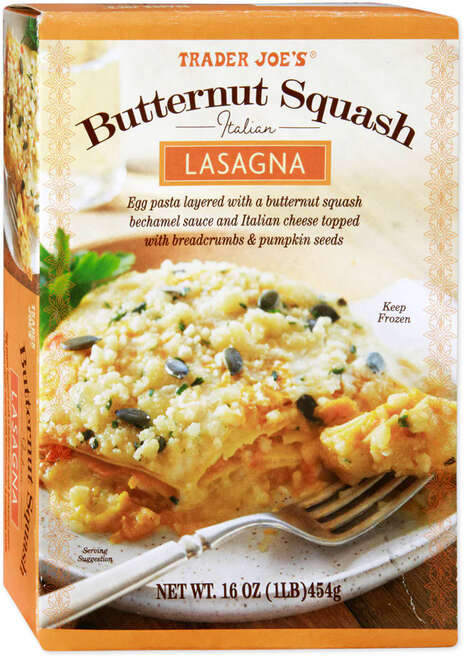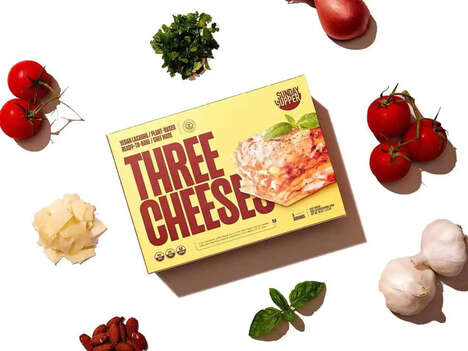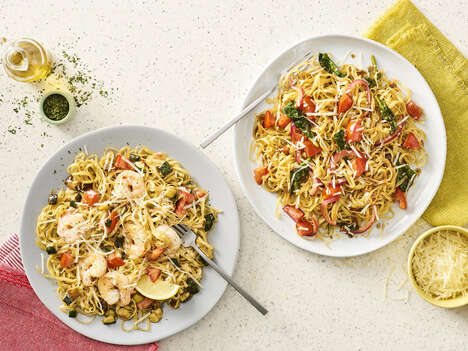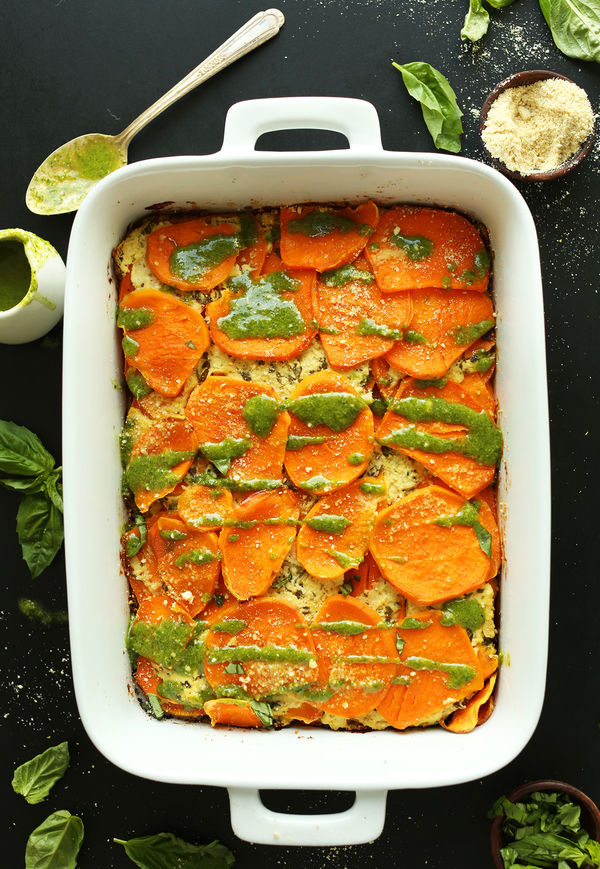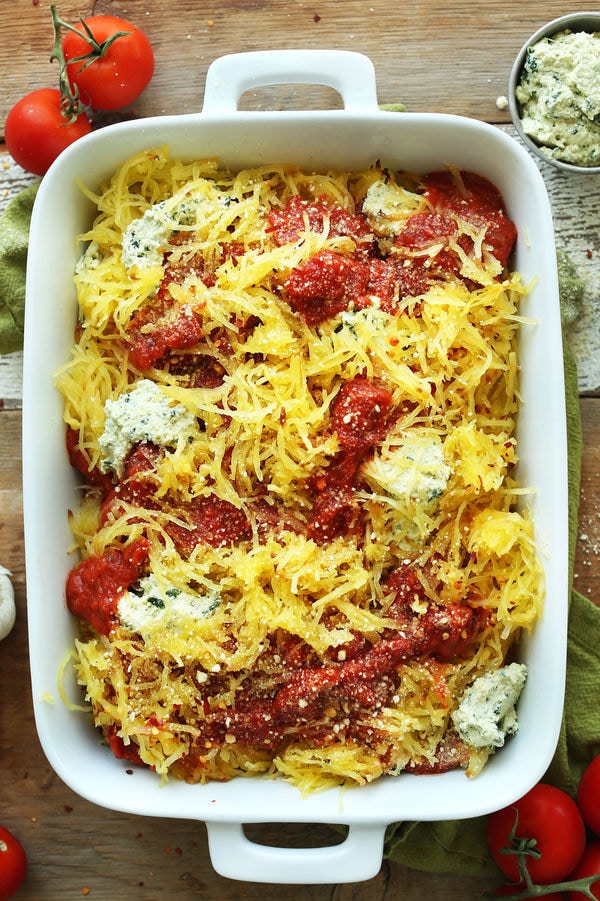


The 'Minimalist Baker' blog put together a recipe for making noodle-free lasagna. Lasagna is a delicious pasta dish traditionally made from layering several sheets of pasta with meat, cheese and sauce. This recipe puts a vegan-inspired twist on the classic dish by swapping out the pasta entirely.
The noodle-free lasagna is made entirely from plant-based ingredients, making it vegetarian and vegan-friendly. The recipe substitutes pasta noodles for sweet potatoes, which provides a sweet taste and a tender texture. The potatoes are layered with a tofu-based ricotta and then topped with a basil pesto sauce. The ricotta mimics the cheesy flavor of a traditional lasagna, while the pesto sauce adds a herby element.
The vegan-friendly recipe ultimately provides a tasty alternative to a beloved pasta dish.
What's Driving This Trend
- Plant-based Alternatives
- The noodle-free lasagna recipe showcases the growing trend of using plant-based ingredients as substitutes in traditional dishes.
- Vegetarian and Vegan-friendly
- The recipe caters to the increasing demand for vegetarian and vegan options, offering an innovative twist on a classic pasta dish.
- Healthy Comfort Foods
- The noodle-free lasagna recipe demonstrates the trend of creating healthier versions of comfort foods, appealing to health-conscious consumers.
Who This Affects Most
- Food and Beverage
- Restaurants and food brands can explore incorporating plant-based alternatives into their menus to cater to a growing number of vegetarian and vegan customers.
- Plant-based Products
- Companies specializing in plant-based products can capitalize on the trend by developing pasta substitute options made from ingredients like sweet potatoes.
- Healthy Eating
- The health and wellness industry can promote the concept of healthy comfort foods, encouraging consumers to make nutritious choices without sacrificing taste.