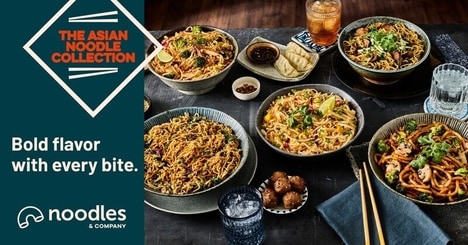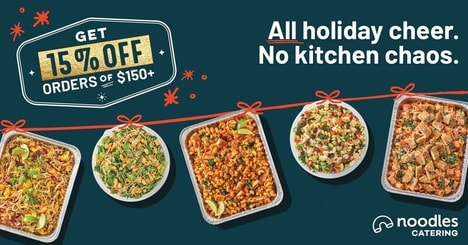
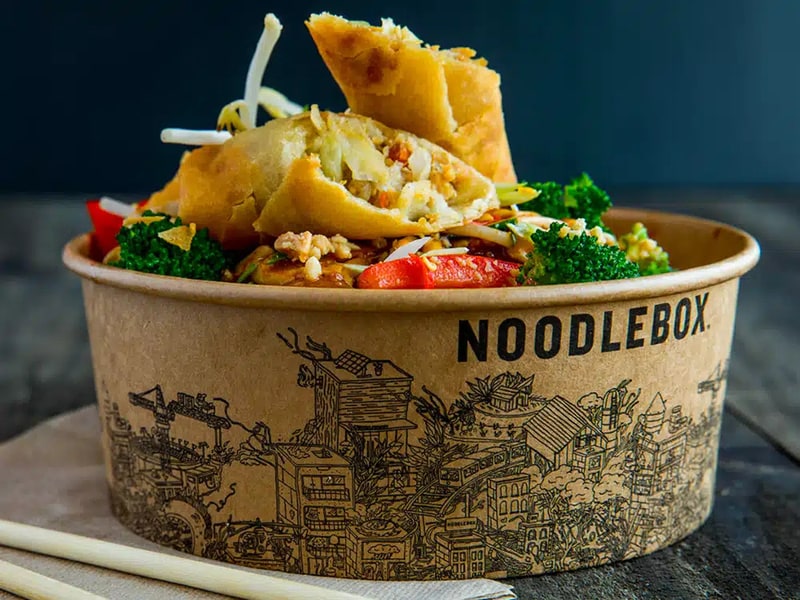
Foodtastic expanded its Noodlebox chain across Canada, rolling out dozens of new locations and preparing a Montreal debut, featuring visible wok-cooked noodle dishes designed for both dine-in and delivery. The brand grew to 71 sites nationally, added roughly 14 restaurants in 2025 and had about 25 more in development as it pushed east from its Western Canada base.
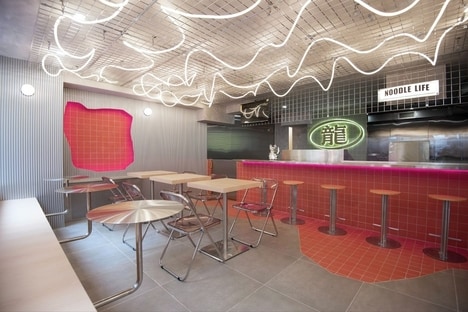
Store formats ranged from compact 900 sq ft shops to 2,000 sq ft units with multiple woks, and average unit sales were about $700,000, with top performers nearing $1.9 million. The rollout emphasizes adaptability to urban sites, franchising after an initial corporate test in Montreal, and a menu optimized for third-party delivery—helping Noodlebox meet younger consumers seeking quick, flavorful Asian-fusion meals with a consistent at-home and in-restaurant experience.
Image Credit: Noodlebox
Key Themes Behind This Trend
- Regional Expansion of Fast-casual Noodles
- Growing multi-site rollouts indicate potential for standardized, scalable noodle concepts to disrupt national quick-service footprints by blending localized menus with centralized operational systems.
- Visible Wok Cooking Experience
- Open-wok theater and visible preparation techniques create opportunities for experience-driven differentiation that can redefine customer expectations for authenticity and transparency in fast-casual dining.
- Delivery-optimized Menu Formats
- Menus engineered specifically for third-party delivery point to a shift toward product designs and packaging innovations that preserve texture and flavor outside the restaurant environment.
Where This Applies
- Franchising and Site Adaptation
- Flexible unit sizes and franchising after corporate testing suggest new franchise models that could transform expansion risk profiles and accelerate market penetration in tiered urban markets.
- Food Tech and Packaging
- Demand for consistent at-home dining experiences highlights opportunities for novel packaging materials and smart-temperature solutions that extend sensory quality during delivery.
- Urban Real Estate for Compact Kitchens
- The viability of 900–2,000 sq ft formats indicates potential for rethinking urban kitchen footprints and zoning strategies to unlock dense neighborhood sites for delivery-first and hybrid concepts.