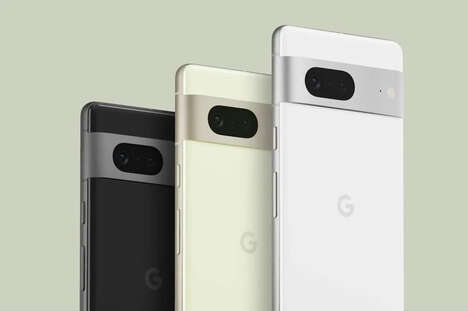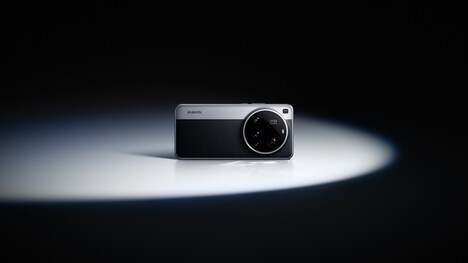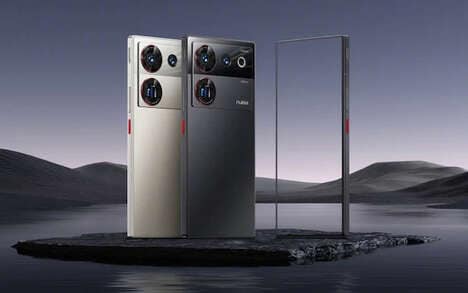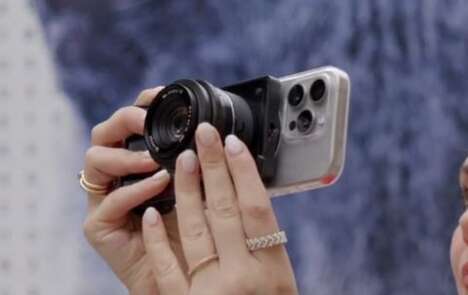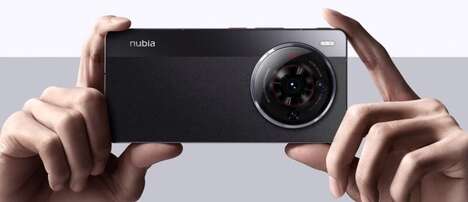
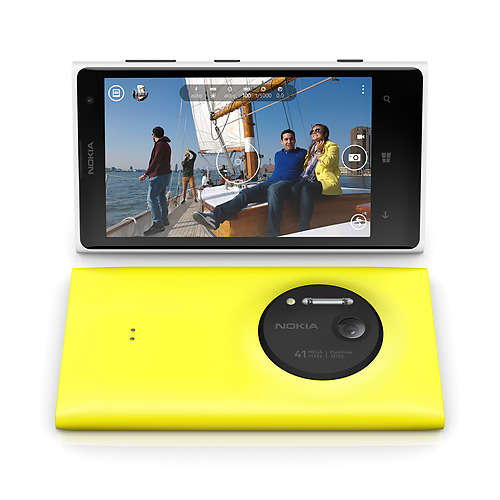
Looking at the Nokia Lumia 1020, one would mistake it for a digital camera rather than a fully functioning smartphone and that's something that the company intended to do.
The Nokia Lumia 1020 embraces the fact that a large portion of the photos that we're taking on a day-to-day basis are snapped on our smartphones and responds in kind. A 41-megapixel camera rivals some of the most advanced point-and-shoots -- and even DSLRs -- on the market, which might make it one of the more economical choices out there.
A fully functioning Windows Phone, the Nokia Lumia 1020 sets a new standard for smartphone photography and just might become the only device you need when it comes to getting the most out of your devices.
What's Driving This Trend
- Camera-copying Smartphones
- The trend of smartphones that prioritize camera capabilities over other features, blurring the line between smartphones and digital cameras.
- Economical High Megapixel Cameras
- The trend of high megapixel cameras becoming more accessible and affordable, appealing to photography enthusiasts on a budget.
- Smartphone Photography Revolution
- The trend of smartphones becoming the primary device for everyday photography, driving the need for advanced camera features and capabilities in smartphones.
Who This Affects Most
- Mobile Phone Industry
- The mobile phone industry has the opportunity to innovate and develop smartphones with enhanced camera capabilities to cater to the growing demand for high-quality photography on mobile devices.
- Digital Camera Industry
- The digital camera industry can explore disruptive innovation opportunities by creating compact cameras with smartphone-like connectivity and functionality to stay relevant in the market.
- Photography Accessories Industry
- The photography accessories industry has the potential to develop innovative accessories specifically designed for smartphones, such as lenses and lighting attachments, to enhance the photography experience on smartphones.