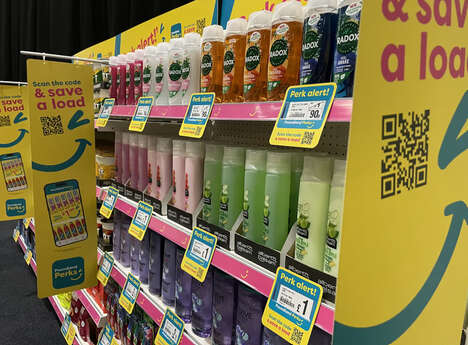
Lidl, the international discount grocery store that's based in Germany, launched myLidl Rewards to increase customer loyalty by helping shoppers get the most out of their grocery budgets.
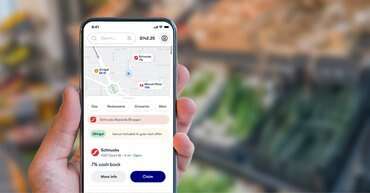
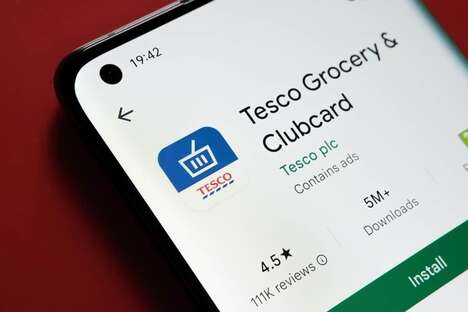
To access the loyalty program, shoppers will need to download the grocery store's app. From there, they can sign up for an account to receive their exclusive rewards. Just for signing up, they'll get a $5 voucher that can be applied to a purchase of $30 or more. The app will feature different goals on a monthly basis, which shoppers can hit to receive the Super Shopper reward. To hit the goals, shoppers just need to show their QR code on the app at checkout, which will keep track of any money they've spent on their groceries.
Image Credit: Lidl
What's Driving This Trend
- Goal-oriented Rewards
- There is an opportunity for businesses to create goal-oriented rewards programs that cater to the needs of the customers by helping them get the most out of their budgets.
- Gamification for Loyalty
- Incorporating gamification into loyalty programs increases customer engagement and creates a more enjoyable experience for shoppers.
- QR Code Checkout Tracking
- Implementing a technology that enables checkout tracking using QR code can help businesses collect valuable data on the shopping habits of their customers.
Who This Affects Most
- Retail Industry
- Retailers can create innovative loyalty programs to retain customers and encourage repeat purchase, which can lead to increased customer lifetime value.
- Marketing Industry
- Marketers can leverage gamification and goal-setting techniques to increase customer engagement and create a more enjoyable experience for shoppers.
- Technology Industry
- The development of checkout tracking technology using QR codes can provide valuable insights on the spending patterns of consumers and help business owners optimize their operations based on data collected.