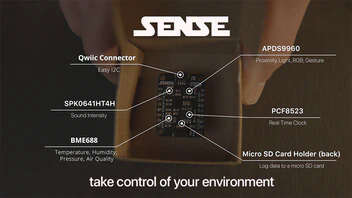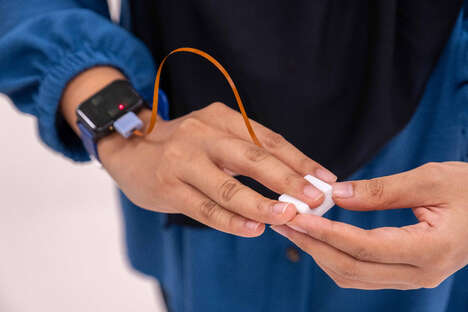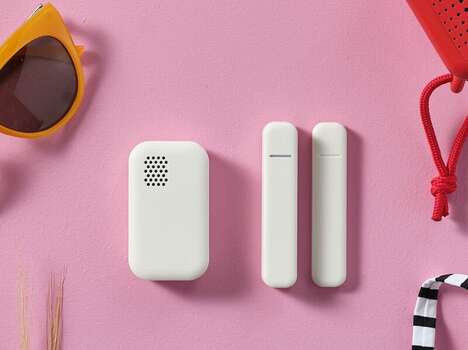
The Symbisa is a multipurpose device sensor, developed by British company Hanhaa, that is designed for use with a wide variety of monitoring and tracking gadgets.
This multipurpose sensor kit is based on the Scratch programming language, which was developed by MIT to cater to kids. This means that using the interface is as simple as knowing how to drag and drop. However, more advanced users can make use of the expansion slot, which allows for the incorporation of other kinds of sensors for a wider array of applications.
Ultimately, the Symbisa is designed to appeal to anybody who might have really cool ideas for Internet of Things applications, but might lack the technical expertise and know-how to turn their idea into a real tech product.
What Makes This Trend Stand Out
- Multipurpose Sensor Technologies
- The emergence of multipurpose sensors presents opportunities for companies to develop more versatile IoT devices and monitoring applications.
- Scratch-based Interfaces
- Scratch-based interfaces provide an alternative, easy-to-use interface for IoT consumers and developers to design and build products.
- Expansion Slots and Modular Sensors
- The use of expansion slots in sensor devices presents an opportunity for developers to incorporate specific sensors to cater to specific monitoring and tracking needs.
Sectors Adopting This
- Iot Industry
- The versatility of multipurpose sensors presents an opportunity for the IoT industry to create more user-friendly and customizable devices for a variety of applications.
- Education Industry
- Scratch-based interfaces may disrupt coding education for young students by providing an easier way for them to learn and apply coding concepts.
- Sensor Manufacturing Industry
- Modular sensors technology presents an opportunity for manufacturers to produce more customizable and cost-effective sensors for different applications.