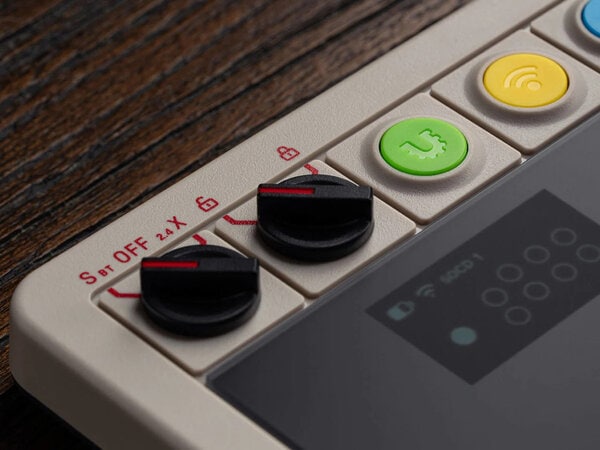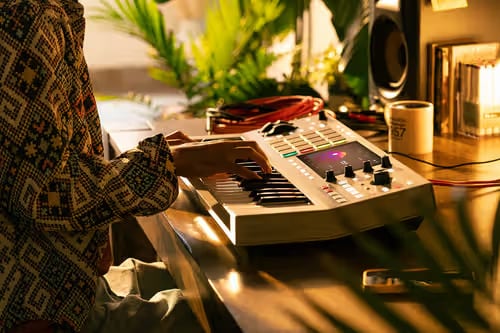
The MPC One G2 and MPC Key 37 G2 are standalone music production systems from Akai Professional built around a shared 8-core processing platform. Both models feature 4GB RAM, 64GB internal storage, a 7-inch full-colour touchscreen, and MPC3 OS.
The systems support up to 32 simultaneous plugin instances and 16 stereo audio tracks in standalone operation. USB-C connectivity provides 24×24 multichannel audio streaming, 32-channel MIDI I/O, and host and device functionality through a single connection. Both units include more than 20GB of factory content and ship with Native Instruments Analog Dreams MPC Edition.
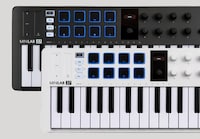
The MPC One G2 uses a pad-focused layout with 16 velocity-sensitive RGB pads, four Q-Link controls, MIDI input and output, and four TRS CV/Gate connections providing eight outputs. The MPC Key 37 G2 pairs the same processing platform with a 37-key synth-action keyboard featuring aftertouch, pitch bend, and modulation controls. Both systems support a Linear Arranger, integrated synthesis tools, and Ableton Live project import and export.
Image Credit: Akai Professional, hypebeast
Key Themes Behind This Trend
- Dawless Production
- Standalone systems with desktop-class processing reduce dependence on computers and create space for portable, self-contained music creation ecosystems.
- USB-C Studio Hubs
- Single-cable multichannel audio and MIDI connectivity positions compact workstations as central control points for increasingly modular recording setups.
- Hybrid Hardware-software Workflows
- Integrated plugin support, touchscreen editing, and project exchange with DAWs blur the boundary between tactile instruments and software-based production environments.
Where This Applies
- Music Production
- Producers gain access to compact platforms that combine sequencing, synthesis, recording, and arrangement capabilities in formats suited to both studios and mobile setups.
- Pro Audio Hardware
- Advanced processors and expanded I/O in standalone devices signal a shift toward performance-focused hardware that can replace multiple pieces of studio equipment.
- Music Software
- Operating systems, plugins, and cross-platform project compatibility become differentiating layers as hardware workstations evolve into app-like creative platforms.