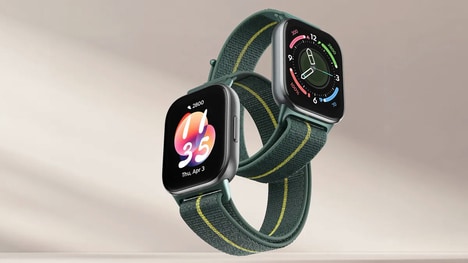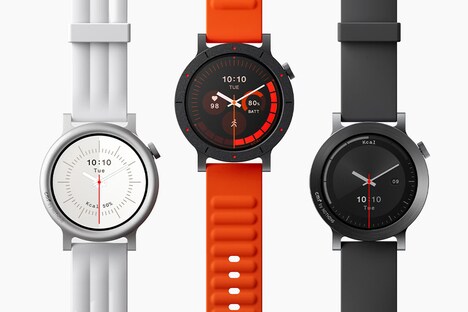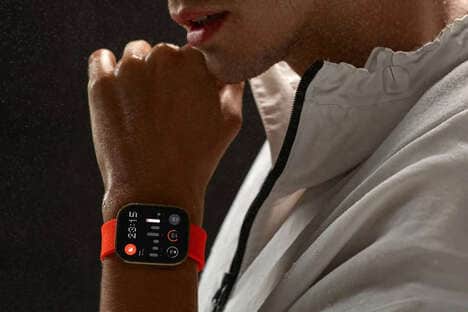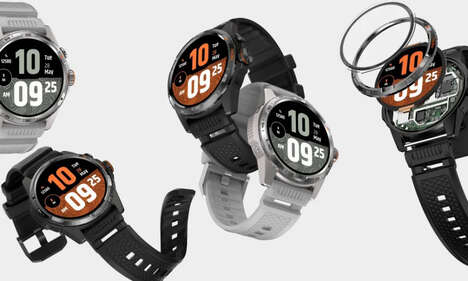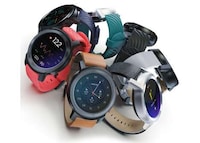
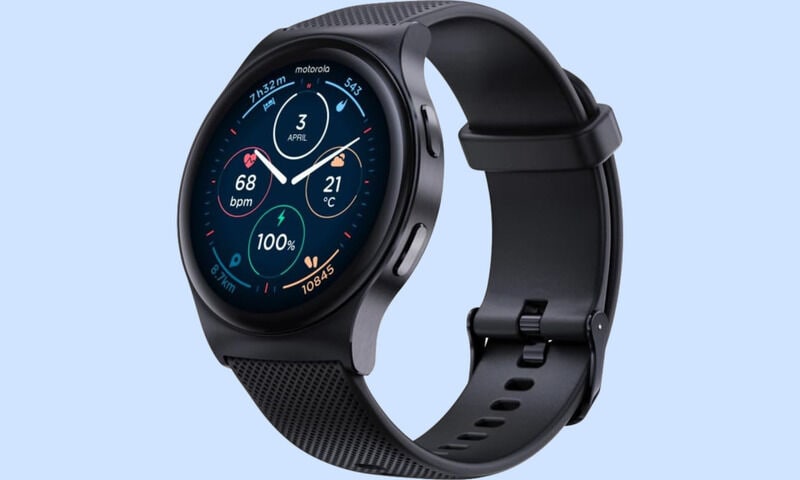
The Motorola Moto Watch 120 smartwatch has been launched by the brand as a budget wearable engineered to provide users with health-tracking capabilities, connectivity options and more. The wearable puts a 1.43-inch AMOLED display in the spotlight alongside impressive health-tracking technologies including an SpO2 sensor. The watch is constructed with zinc alloy for the case to give it enhanced rigidity and deliver a durability rating of IP68.
The Motorola Moto Watch 120 smartwatch is compatible for use with both Android and iOS smartphones, and is competitively priced at $130. The wearable also features integration with Google Fit for impressive health and fitness tracking, while also boasting an accelerometer, Bluetooth 5.3 connectivity and built-in GPS for tracking without a smartphone.
Image Credit: Motorola
Key Themes Behind This Trend
- Omni-compatible Wearables
- Smartwatches that work seamlessly with both Android and iOS can attract a wider audience by offering cross-platform compatibility.
- Budget Health-tracking Devices
- Affordable wearables with advanced health monitoring features like SpO2 sensors make high-tech health tracking accessible to a broader market.
- Rugged Smartwatches
- Durable smartwatches built with materials such as zinc alloy and featuring IP68 ratings cater to active users seeking robust devices.
Where This Applies
- Consumer Electronics
- The sector is evolving with more affordable and feature-rich smartwatches that are accessible to a diverse user base.
- Health and Wellness Tech
- Innovations in wearable health technology are making it easier for individuals to monitor their health metrics in real-time.
- Wearable Technology
- Advances in smartwatch durability and cross-platform compatibility are expanding the market for versatile and long-lasting wearables.