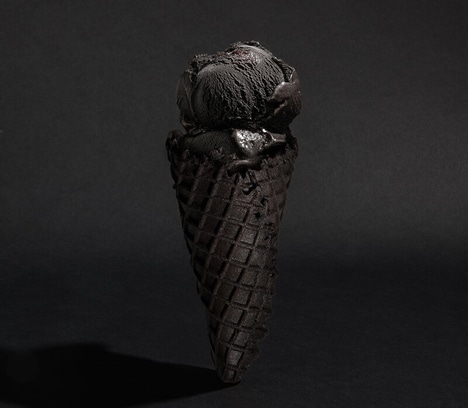
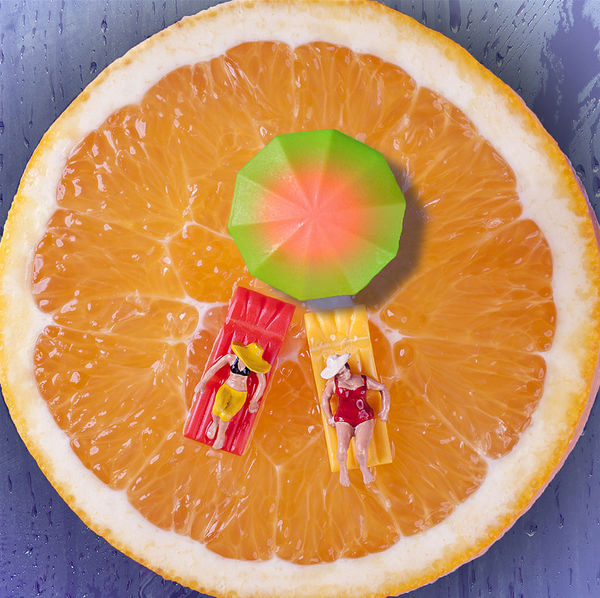
The Monochrome Breakfast photo series can be taken at face value as a creative and colorful project that is strictly visually appealing. Yet there lies a greater purpose behind the photoshoot that goes beyond playfulness and imagination. One food stands as the odd one out in each of the Monochrome Breakfast photos, but it may not be easily discernible at first. That is because it has been dyed to resemble the natural colors of the other food items.
Created by graphic designer Fabienne Plangger in collaboration with David Reiner, Sebastian Hierner and Karin Stöckl, the Monochrome Breakfast series focuses on the toxic nature of bread. Plangger writes, "Dyed it’s suddenly no longer a delicious and appetizing foodstuff. By the unusual colors it visually tricks something toxic that we don't want to eat any more--the bread loses its function as a staple food.
What's Driving This Trend
- Colorful Food Presentation
- Creating visually appealing food presentations by using creative color schemes and techniques.
- Food Dyeing
- Incorporating dyeing techniques to give food items a unique and unconventional appearance.
- Awareness Through Food Photography
- Using food photography to create awareness about various social issues or concerns, such as the toxicity of certain food items.
Who This Affects Most
- Food and Beverage
- The food and beverage industry can leverage colorful food presentation and creative food dyeing techniques to attract customers and provide unique experiences.
- Photography and Visual Arts
- Creative photography and visual arts industries can use food photography to create impactful images that capture attention and raise awareness about various social concerns.
- Health and Wellness
- The health and wellness industry can collaborate with food and beverage industry to raise awareness about the negative effects of consuming certain food items, and offer healthy alternatives.