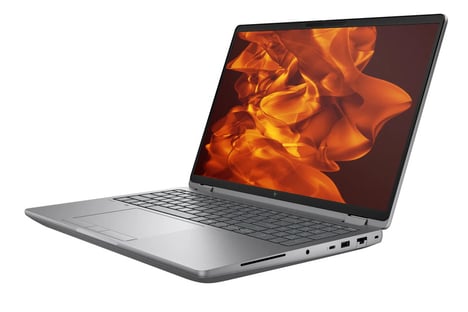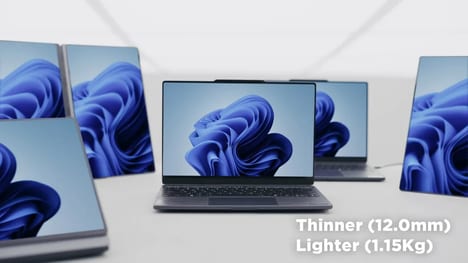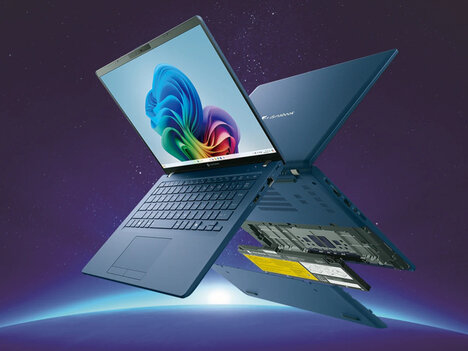
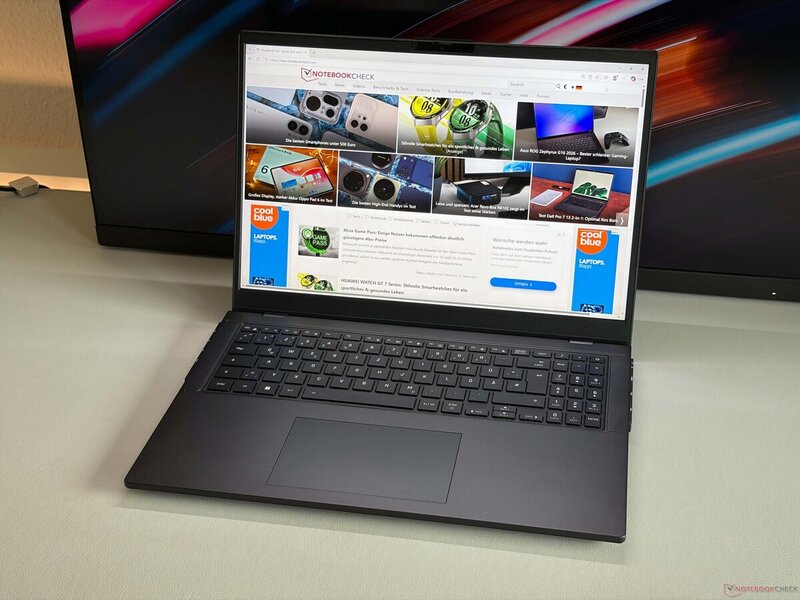
Schenker's Element 16 is a 16-inch multimedia notebook powered by Intel Panther Lake processors, featuring a repair-first design with standard upgradeable RAM, SSD and a replaceable Wi‑Fi module. Key wear parts including the battery, fans and ports are screwed in rather than soldered, making service and parts swaps straightforward for owners.
The chassis blends aluminum with recycled materials and delivers a solid feel despite some light creaking in the base. The matte IPS display runs at 120 Hz, covers full sRGB and ships with accurate color reproduction, while a comfortable backlit keyboard and up to 16.5 hours of battery life favor productivity. Speaker performance is notably weak.
Schenker deliberately avoided Panther Lake SKUs with faster integrated Arc iGPUs to keep the design modular and less dependent on soldered RAM, which preserves upgradeability. For users who value longevity and easy maintenance, the Element 16 offers a practical, repairable alternative starting at €1,499.
Image Credit: Schenker
What's Driving This Trend
- Repair-first Laptops
- Modular notebooks with screwed-in batteries, fans and ports point to longer device lifecycles as durability becomes a premium differentiator in consumer electronics.
- Upgradeable Performance Design
- Standard RAM, SSD and wireless modules create space for computing products that balance modern performance with user-controlled maintenance and customization.
- Sustainable Chassis Materials
- Blending recycled materials with aluminum reflects a growing shift toward premium devices that combine lower-impact construction with mainstream productivity features.
Who This Affects Most
- Consumer Electronics
- Repairable multimedia laptops reveal opportunities for hardware brands to compete on longevity, serviceability and ownership value rather than sealed-device convenience.
- Computer Manufacturing
- Modular internal architectures suggest new product strategies for manufacturers seeking to reduce warranty friction, simplify parts replacement and extend model relevance.
- Sustainable Technology
- Durable, upgradeable computing devices align with circular-economy models where reduced e-waste and improved reparability become central to product positioning.