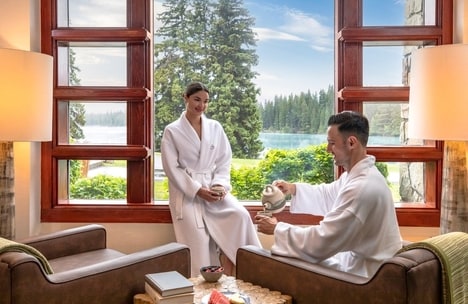
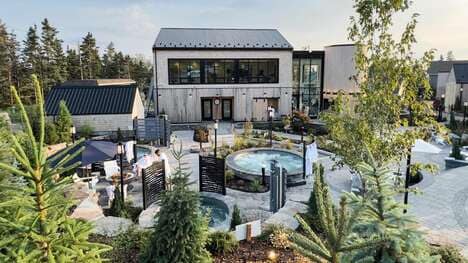
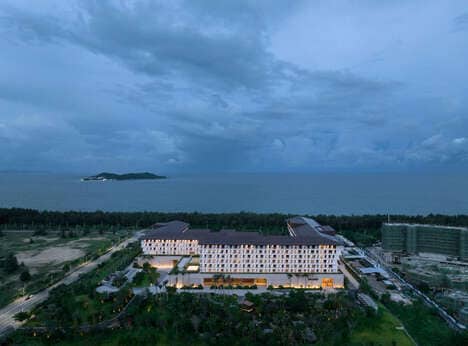
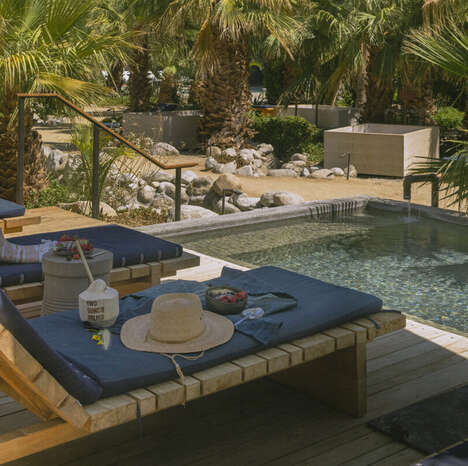
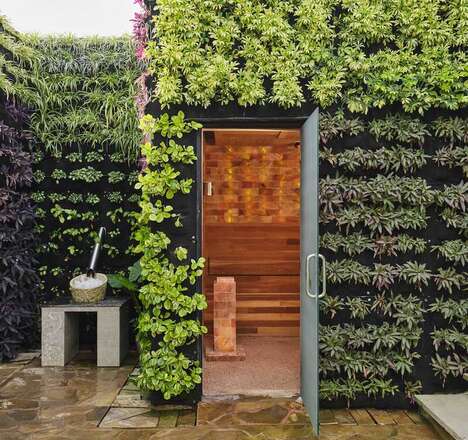
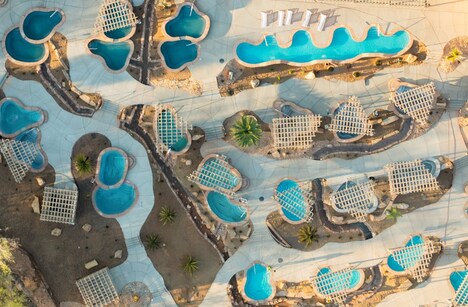
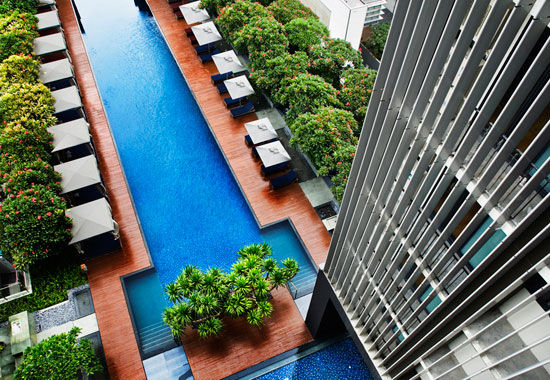
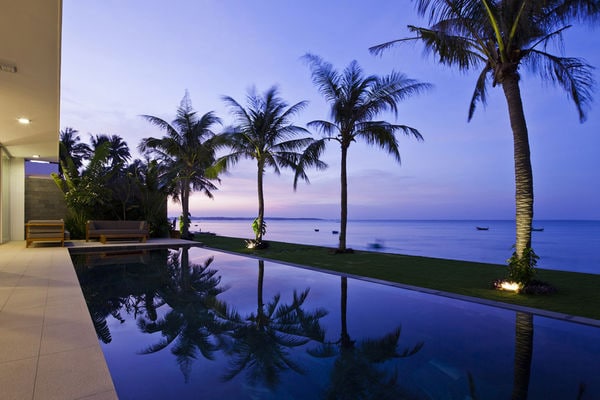
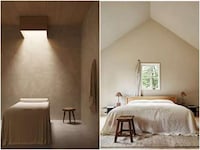
The Miraval Wellness Retreat in Arizona minimizes it's eco-footprint, but not it's luxury, comfort, or relaxing atmosphere. The surprisingly cozy center loses none of its charm in the aim of operating as a sustainable green institution and there is something charmingly naturalistic about its rammed earth foundations, its rain-harvesting systems and its natural air cooling.
Even the spa's hot water is heated by sunlight rather than energy-guzzling water heaters. All of these subtle, but significant innovations make the Miraval wellness retreat a soothing and unobtrusive experience for both patrons and the local environment.
What's Driving This Trend
- Eco-friendly Luxury
- There are opportunities for businesses to create high-end experiences that prioritize sustainability and minimize environmental impact.
- Sustainable Spa Design
- Innovations in spa design can incorporate eco-friendly elements such as rammed earth foundations, rain-harvesting systems, and natural air cooling to create a relaxing atmosphere while reducing environmental footprints.
- Solar-powered Heating
- Using solar energy to heat water in spa facilities can not only reduce energy consumption but also enhance the overall eco-friendly profile of the establishment.
Who This Affects Most
- Luxury Hospitality
- Luxury hotels, resorts, and retreats can adopt sustainable practices to appeal to environmentally conscious consumers while providing high-quality experiences.
- Wellness and Spa
- Spa facilities and wellness retreats can integrate eco-friendly elements into their design and operations, aligning with the growing demand for sustainable wellness experiences.
- Renewable Energy
- The use of solar energy for heating purposes presents opportunities for the renewable energy industry to collaborate with hospitality businesses and implement sustainable solutions.