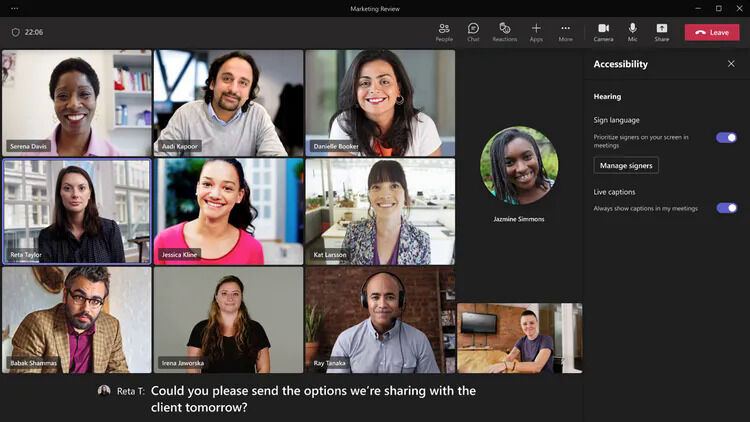
Microsoft is introducing a new sign language view for Microsoft Teams, a video conferencing platform commonly used by employers and professionals. Sign language users can choose up to two other participants' videos to be fixed in a video call, making the selected signers visible throughout the conference to transcribe audio and video. Teams users may enable the capability for all meetings or individual sessions. Sign language interpreters can be pre-assigned before the commencement of a meeting; however, external interpreters can only be allocated within a session using the Accessibility tab in the app settings.
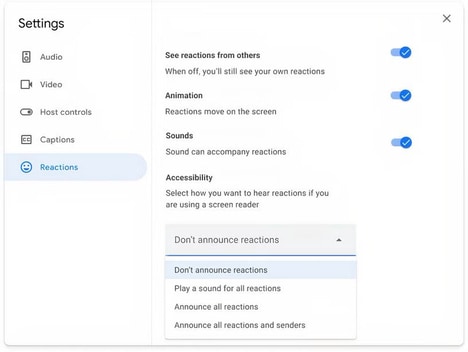
In addition, Microsoft is introducing a new Accessibility settings window for Teams. This feature allows users to easily make modifications during conversations, such as turning on sign language view by default or pre-identifying preferred signers.
Both features will be implemented into Teams on desktops and browsers in the coming weeks.
Image Credit: Microsoft
Why This Trend Is Growing
- Sign Language Integration
- Creating more inclusive video conferencing experiences through the integration of sign language interpretation.
- Accessibility Settings Personalization
- Empowering users to personalize their accessibility settings during video conferencing, which may lead to a more comfortable and inclusive experience for all.
- Virtual Translation Services
- Utilizing virtual technology to improve translation services, such as the option to allocate external interpreters within a session using an Accessibility tab.
Industries Being Reshaped
- Video Conferencing
- There is a growing opportunity for video conferencing platforms, such as Microsoft Teams, to further integrate inclusive features like sign language interpretation.
- Accessibility Technology
- As technology has advanced, the development of more personalized accessibility settings has become increasingly important, creating opportunities for organizations who specialize in accessibility technology.
- Virtual Translation Services
- With remote work becoming increasingly prevalent, the demand for innovative virtual translation services is growing, opening new opportunities for technology-driven companies.