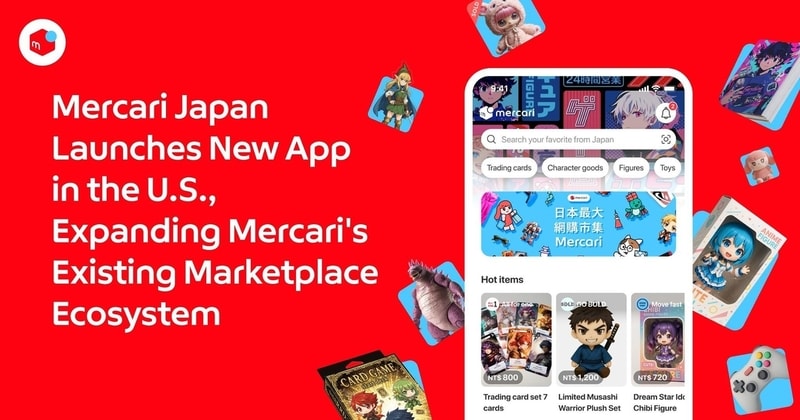
Mercari, Inc. of Japan has introduced a standalone mobile application in the United States called Mercari Japan, which functions as a dedicated cross-border shopping platform that grants American consumers direct access to listings from Japan's largest online marketplace and its associated merchant network.
Mercari Japan operates independently from the existing U.S.-based Mercari marketplace. The app offers a specialized interface designed specifically for international transactions, and it will eventually replace the current Mercari x Japan feature that was previously embedded within the domestic American platform. The application addresses several traditional barriers to international e-commerce by incorporating artificial intelligence-powered real-time translation, U.S. dollar payment processing through familiar domestic services, and a centralized shipping management system that includes mandatory item inspections before international dispatch. Individuals will also enjoy comprehensive package tracking throughout the delivery journey.
Image Credit: Mercari, Inc. of Japan
Key Themes Behind This Trend
- Localized Cross-border Marketplaces
- Standalone shopping apps tailored to foreign consumers create new space for marketplace operators to bypass domestic platform limits while expanding access to region-specific inventory.
- AI-powered Commerce Translation
- Real-time language conversion in product listings and buyer communications reduces friction in international shopping and reshapes how niche sellers reach global audiences.
- Inspected Global Fulfillment
- Centralized item checks, shipment coordination, and end-to-end tracking bring greater trust to secondhand and merchant-led cross-border transactions.
Where This Applies
- E-commerce
- International marketplace models with localized payments and dedicated interfaces signal a shift toward more specialized global retail ecosystems.
- Logistics
- Mandatory inspection hubs and managed cross-border shipping flows introduce differentiated service layers for carriers, consolidators, and fulfillment providers.
- Financial Technology
- Domestic-style payment processing for overseas purchases expands the role of fintech providers in making international commerce feel local to consumers.