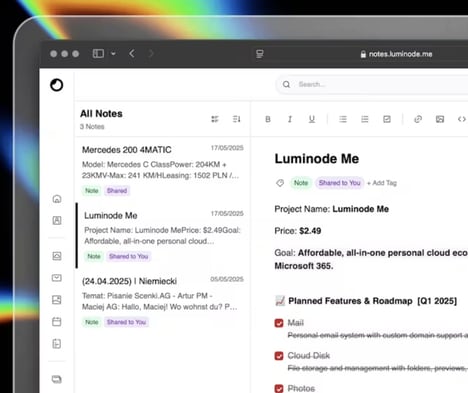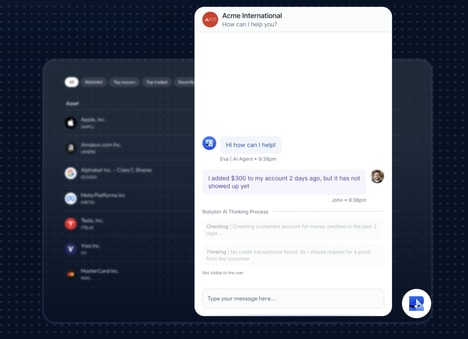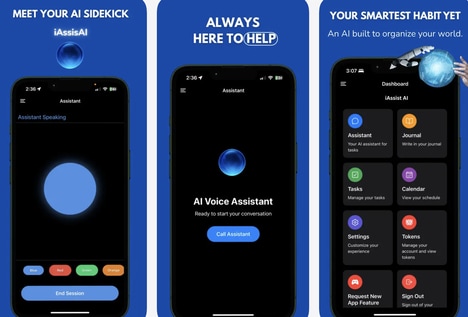
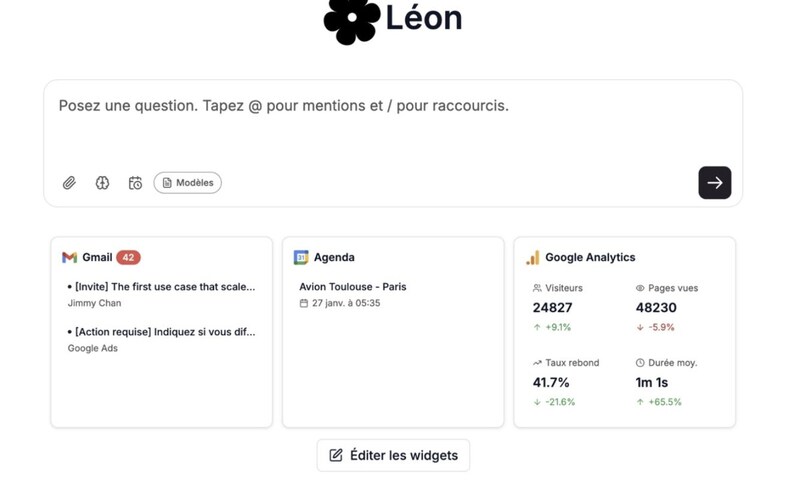
Modern work often involves switching between multiple tools to manage communication, planning, and productivity tasks, which is where Meet Léon comes in. This is a tool which is an AI assistant designed to execute actions across connected applications based on user instructions.
The platform integrates with commonly used services such as Gmail and HubSpot, allowing users to trigger actions like organizing tasks, drafting content, or managing workflows directly through conversational input. Once connected, it operates as an automation layer between the user and their digital tools.
By translating natural language instructions into structured actions, the assistant reduces manual effort in routine administrative and organizational tasks. The system is designed to support planning, creation, and workflow optimization across different platforms.
Image Credit: Meet Léon
Key Themes Behind This Trend
- Natural-language Automation
- Conversational interfaces are turning everyday instructions into cross-app workflows, creating room for more intuitive enterprise productivity systems that reduce dependence on manual configuration.
- Agentic Work Management
- AI assistants that coordinate tasks across email, CRM, and planning tools signal a shift toward software that can interpret context and manage multi-step administrative processes.
- Connected Productivity Layers
- Unified automation layers across existing apps are reshaping digital work by making fragmented tool ecosystems feel more cohesive and responsive to individual work styles.
Where This Applies
- Enterprise Software
- Business platforms are becoming more competitive as embedded AI automation transforms routine workflow execution into a conversational, cross-system experience.
- Customer Relationship Management
- CRM environments gain new value when natural-language assistants can update records, draft communications, and coordinate follow-ups across connected sales tools.
- Workplace Productivity
- Productivity solutions are evolving beyond standalone task management as AI-driven orchestration reduces app switching and streamlines knowledge work operations.