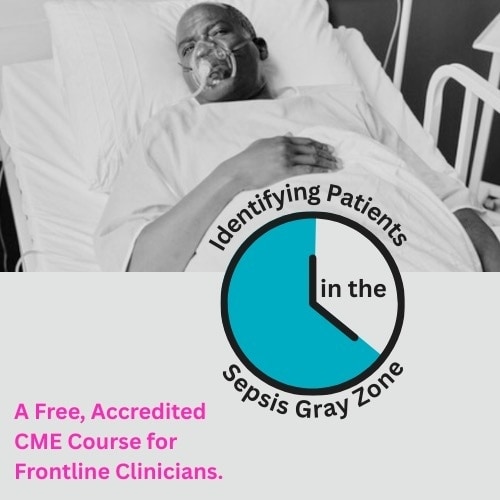
The Physician-Patient Alliance for Health & Safety has developed a comprehensive continuing medical education program focused on improving early detection of sepsis, a life-threatening condition responsible for significant hospital mortality rates. This free, three-part online course addresses the diagnostic challenges clinicians face when encountering ambiguous early symptoms that often characterize sepsis onset.
Developed in collaboration by critical care specialists, emergency physicians, and quality improvement experts, the curriculum for the medical education program moves beyond textbook cases to examine real-world scenarios where symptoms may be subtle but consequences severe. The learning initiative emphasizes pattern recognition, clinical reasoning, and appropriate use of diagnostic tools while acknowledging the limitations of any single biomarker or test.
Through interactive case studies and current research reviews, healthcare providers gain practical skills to navigate the uncertainty of early sepsis presentation while understanding the physiological mechanisms behind disease progression.
Image Credit: The Physician-Patient Alliance for Health & Safety
Why This Trend Is Growing
- Interactive Medical Training
- Interactive case studies in medical training enhance practical skill development, allowing healthcare professionals to better handle ambiguous symptoms like those seen in early sepsis.
- Real-world Scenario Simulations
- Simulating real-world scenarios in medical education prepares clinicians for complex diagnosis challenges by bridging the gap between theoretical knowledge and practical application.
- Pattern Recognition Emphasis
- Focusing on pattern recognition within medical curricula empowers clinicians to detect subtle symptom arrays, improving early disease detection and outcomes.
Industries Being Reshaped
- Continuing Medical Education
- Expanding continuing medical education programs to include interactive and realistic elements offers disruptive potential in clinician training methodologies and patient outcomes.
- Healthcare Diagnostics
- Innovative approaches to healthcare diagnostics, like those incorporating pattern recognition and multi-factor analysis, advance the precision in detecting diseases such as sepsis.
- Health Technology Development
- Developing advanced health technology tools that integrate real-time pattern recognition can revolutionize early diagnosis and intervention for conditions with ambiguous presentations.