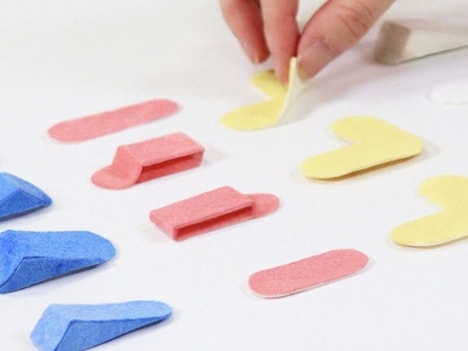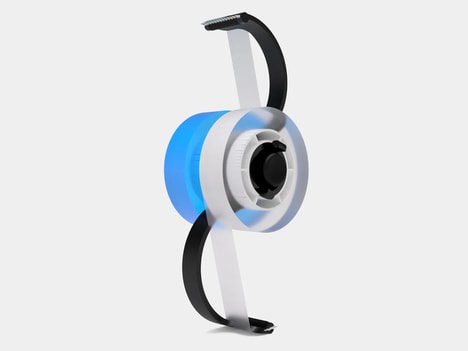
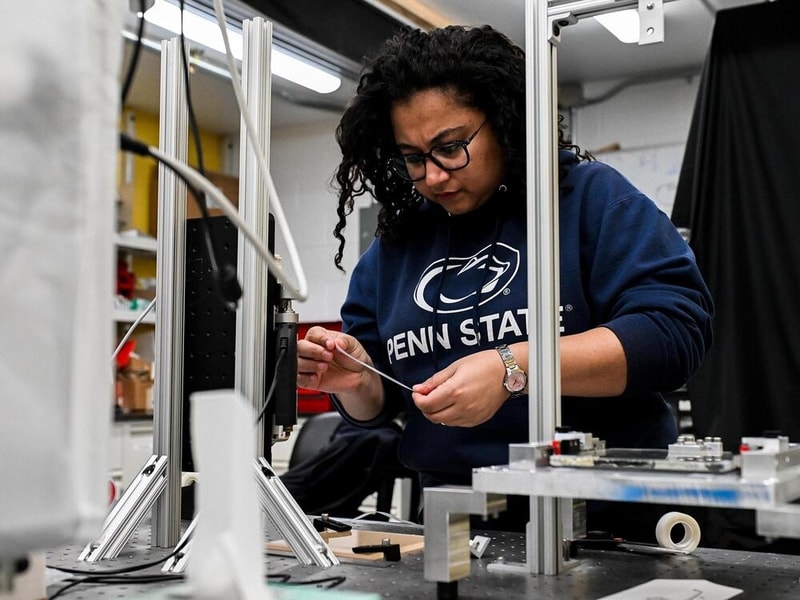
The mechanical memory materials developed by researchers at Penn State demonstrate how everyday adhesive tape can be used to store, adjust and erase sequences of physical memories. By peeling pressure-sensitive tape to different distances, the researchers created distinct adhesion points that can later be identified through changes in peeling force. The system can also preserve multiple memories simultaneously while allowing researchers to control their strength and reset the material when needed.
The research highlights growing interest in non-electronic computing systems that rely on physical materials instead of traditional digital hardware. As industries continue exploring low-energy alternatives to electronic processing, programmable materials capable of storing information mechanically could influence future developments in robotics, smart infrastructure and adaptive manufacturing systems. The ability to create memory functions using inexpensive materials may also encourage engineers and technology companies to investigate new forms of durable, energy-efficient computational surfaces for industrial and scientific applications.
Image Credit: Jaydyn Isiminger / Penn State
What Makes This Trend Stand Out
- Mechanical Memory Materials
- A low-energy, material-based encoding mechanism that can replace certain electronic memory functions in harsh or resource-limited environments.
- Non-electronic Computing
- A shift toward computation through physical state changes in materials where information is stored and processed without continuous power or silicon circuitry.
- Programmable Adhesion Surfaces
- A class of surfaces whose tunable adhesion points allow for spatially and temporally sequenced information storage embedded directly into structural components.
Sectors Adopting This
- Robotics
- Robotic systems that integrate mechanically encoded memories could operate with enhanced resilience in radiation, extreme temperatures, or electromagnetic-noise environments.
- Smart Infrastructure
- Infrastructure components embedding physical memory could provide passive sensing and historical state records without relying on power-hungry electronics.
- Adaptive Manufacturing Systems
- Manufacturing lines employing programmable adhesion materials may enable low-cost, reconfigurable process states and durable record-keeping within tooling and fixtures.