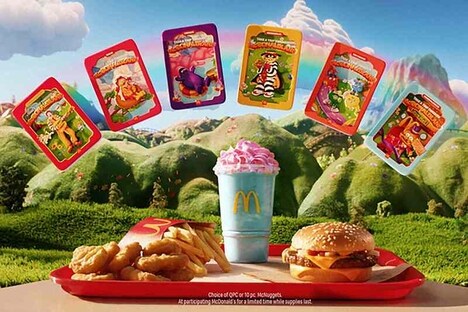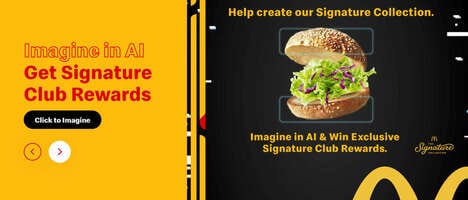
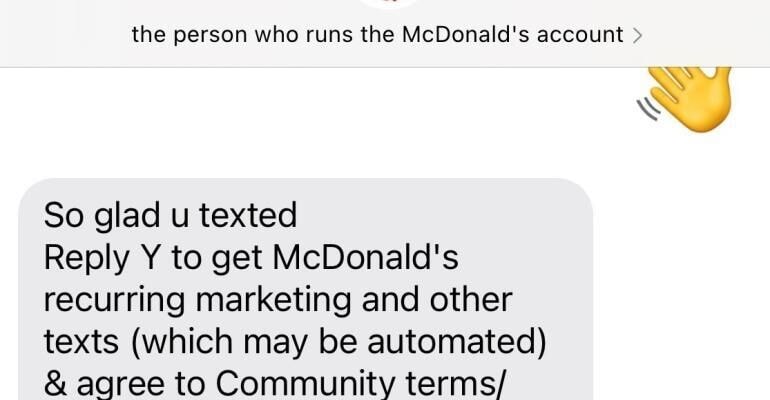
McDonalds has introduced a new SMS marketing strategy that allows consumers to opt in to text messages from the franchise. Consent to receive "recurring marketing and other messages (which may be automated)" from McDonald's and acceptance of the privacy terms and conditions are obtained by dialing the number. The number then replies, “hii it’s me the person who runs the McDonald’s account,” and requests that you add the number to your contacts.
The next "soft drop" in the chain is hinted at in the texts, along with a blurry picture clue. This campaign will hopefully result in increased sales for the QSR chain as text message marketing enables firms to customize promotional offers accurately, which raises the possibility of conversions. McDonald's management has stated that they aim to use a more customized message strategy for future promotions.
Image Credit: McDonald's
Key Themes Behind This Trend
- SMS Marketing Strategy
- Creating an SMS marketing strategy enables firms to send customized promotional offers directly to customers' phones, increasing the chance of conversions.
- Recurring Marketing Messages
- Using automated recurring marketing messages allows firms to increase their outreach to customers without overwhelming them with too much information at once.
- Customized Offers
- Creating customized offers targeted to individual customer preferences increases the likelihood of conversion and customer loyalty.
Where This Applies
- Fast Food
- Fast food chains can use SMS marketing to increase sales by sending customized promotions directly to customers' phones.
- Retail
- Retail businesses can use SMS marketing to increase sales by advertising promotions and discounts directly to customers' phones.
- Hospitality
- Hospitality businesses can use SMS marketing to increase bookings and upsell services by sending customized offers directly to customers' phones.