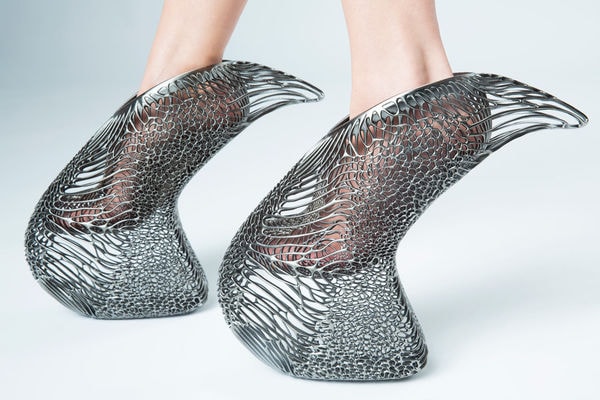
Designed by Pratt Institute graduate Jae-Hyun An, the Marie-T prosthetic leg is a unique artificial limb that encourages a new genre of ballet. Unlike conventional artificial limbs, the Marie-T prosthetic isn't meant to mimic the human body. Instead, the limb enhances the dancer's performance and natural movements.
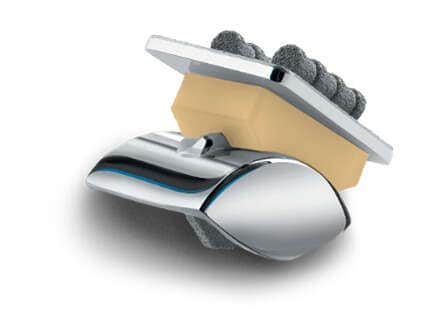
Comprised of three components, the Marie-T prosthetic features a foam-injected rotational molded foot, a stainless-steel toe, and a rubber grip that provides the dancer with better balance and momentum during rotations. The stainless-steel toe is one of the key components in the revolutionary prosthetic as it allows the dancer to remain in a pointe position throughout an entire performance.
The name of the prosthetic is also a reference to traditional ballet as it derives its name from 19th-century Swedish ballet dancer Marie Taglioni.
Why This Trend Is Growing
- Performance-enhancing Prosthetics
- The use of prosthetics that enhance performance instead of simply mimicking the human body provides opportunities for innovation in various industries such as sports, art, and medicine.
- Non-mimicking Prosthetics
- The development of prosthetics that do not mimic the human body gives rise to disruptive innovation opportunities in the fields of engineering, biomechanics, and materials science.
- Innovative Ballet Techniques
- The emergence of unique prosthetic limbs for dancers opens up avenues for disruptive innovation in the dance industry, inspiring new techniques and movements.
Industries Being Reshaped
- Sports
- The advent of prosthetics that enhance performance in sports presents new opportunities for innovation in fields such as biomechanics, kinesiology, and sports equipment manufacturing.
- Art
- The use of performance-enhancing prosthetics in artistic endeavors such as dance and theater creates opportunities for innovation in costume design, set design, and stage technology.
- Medicine
- The development of non-mimicking prosthetics opens up possibilities for innovation in the medical industry, particularly in the areas of orthopedics, rehabilitation, and surgical techniques.