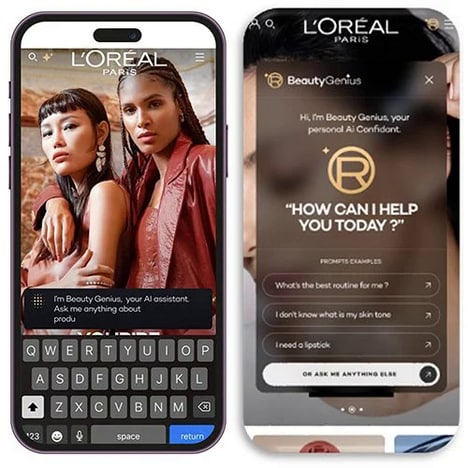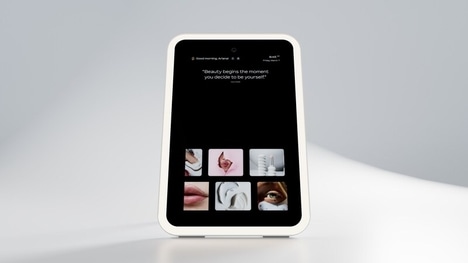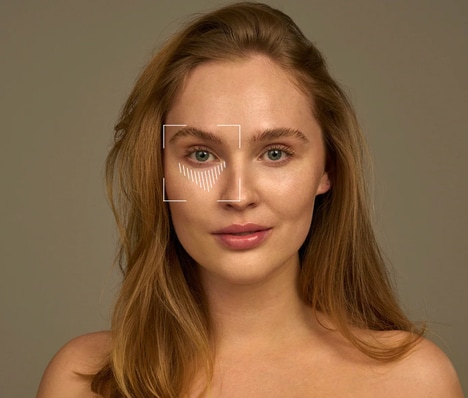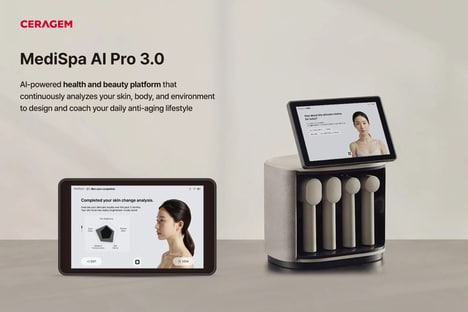
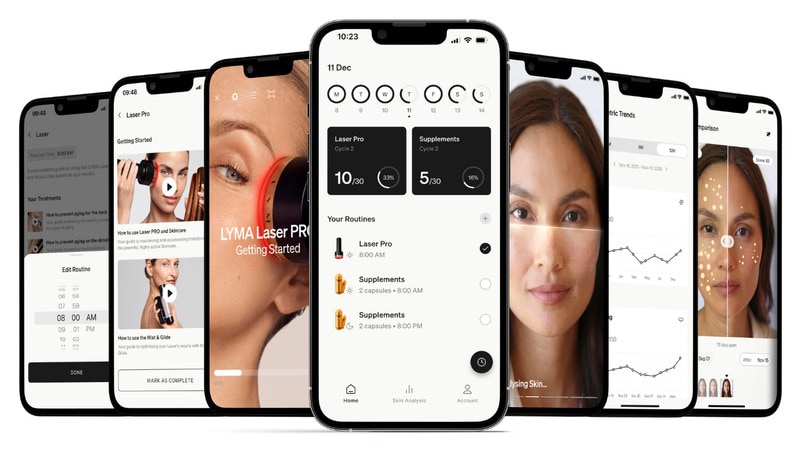
Skincare is deeply personal because what works beautifully for one person may be entirely wrong for another, and the LYMA app harnesses the power of AI face-scanning technology to personalize skincare routines. This AI-powered skin analysis resource, trained on over three million skin images, is useful for assessing wrinkles and pigmentation, as well as perceived age, eye ageing, and skin tone uniformity. This new application also makes it easier for users to monitor and manage their at-home anti-aging treatments and log the use of the company’s at-home laser device and supplement intake via a treatment tracker.
Additionally, the LYMA app offers instructional videos, progress photography with date stamps, reminder notifications and access to customer support.
Why This Trend Is Growing
- AI-powered Skin Analysis
- Advanced facial-scanning models produce multidimensional skin metrics that make individualized diagnosis and product matching commercially viable at scale.
- Personalized Treatment Tracking
- Longitudinal logging of treatments, device use, and supplements creates robust user datasets that can redefine efficacy claims and adherence-based offerings.
- Integrated Multimedia Support
- Instructional videos, progress photography, and reminders bundled with AI assessments form a cohesive user experience that blurs the line between product, service, and care.
Industries Being Reshaped
- Skincare Retail
- AI-derived skin profiles create possibilities for hyper-personalized product assortments, tailored sampling, and subscription commerce models.
- Medical Aesthetics
- Objective, image-based assessments and treatment tracking have the potential to transform outcome measurement, patient stratification, and remote follow-up care.
- Digital Health Platforms
- Integrated apps combining diagnostics, device telemetry, and behavioral nudges position platforms to act as comprehensive skin-health ecosystems bridging consumer and clinical data.