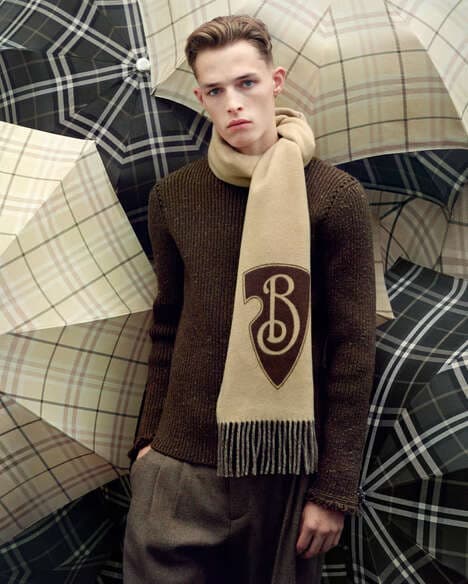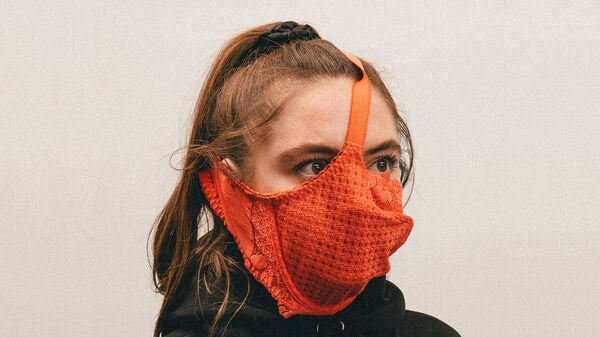
Since PPE is the norm now, many brands have jumped on the bandwagon to create personalized designs that can reflect someone's personality and status--Burberry, for example, launched a chic luxurious face mask that boasts the brand's signature check print.
The label uses cotton for the facial coverings and treats the fabric with a special "antimicrobial technology." This does not add extra protection, but it keeps the mask fresher and more hygienic. Double-stitch elements are intended to create a bit of definition and a more luxe feel.
The brand has committed to donating 20% of the profits from its luxurious face masks to the Burberry Foundation COVID-19 Community Fund. The charity donates Personal Protective Equipment (PPE) to food banks and healthcare charities.
Image Credit: Dezeen
What Makes This Trend Stand Out
- Personalized Face Mask Designs
- Brands can capitalize on the demand for PPE by creating face masks with personalized designs that reflect individual style and status.
- Antimicrobial Technology in Face Masks
- Incorporating antimicrobial technology in face masks can provide consumers with a fresher and more hygienic mask-wearing experience.
- Charitable Donations From Face Mask Sales
- Brands have the opportunity to support charitable causes by donating a portion of their face mask sales to organizations in need, fostering goodwill and positive brand perception.
Sectors Adopting This
- Fashion and Apparel
- Fashion brands can leverage their design expertise to create personalized and stylish face mask options that align with current fashion trends.
- Textile and Manufacturing
- Companies involved in textile and manufacturing can explore the incorporation of antimicrobial technology in the production process of face masks to meet consumer demand for hygienic options.
- Non-profit and Charitable Organizations
- Non-profit and charitable organizations can benefit from partnering with or receiving donations from brands that sell face masks, facilitating their mission of providing PPE to those in need.