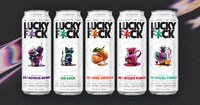
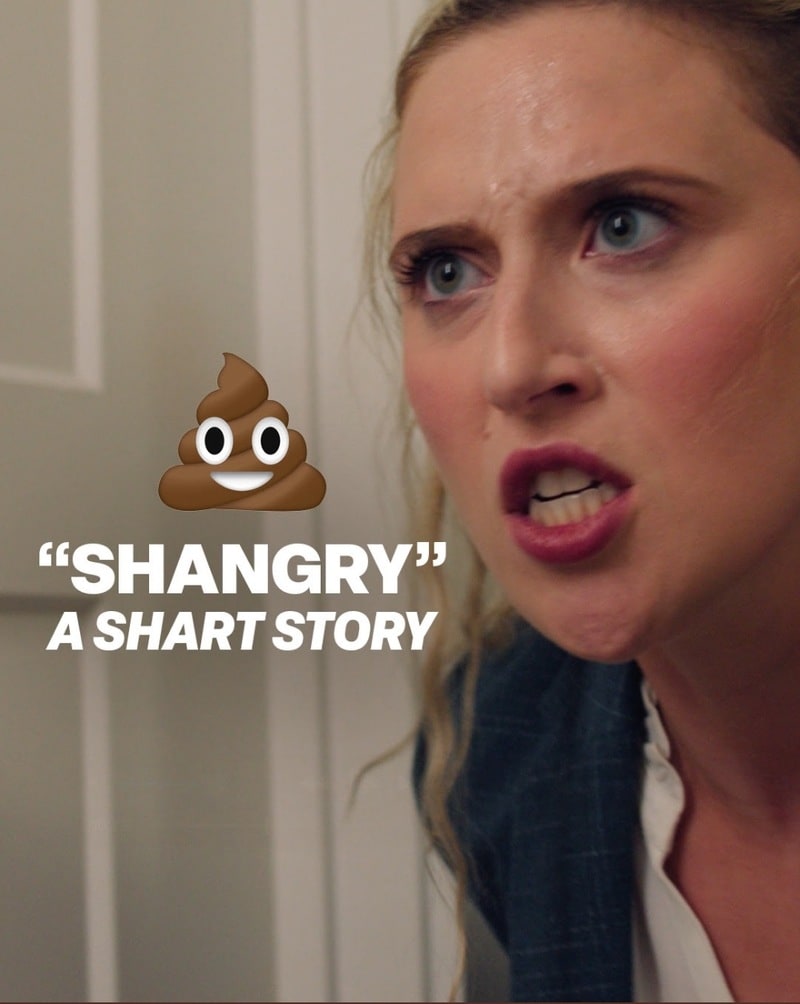
Lucky Energy has launched a bold and humorous campaign titled 'Shangry.' The initiative highlights the digestive discomfort often caused by consuming traditional energy drinks. The term 'shangry' is a blend of 'shit' and 'angry.' It refers to the frustration and anxiety that arise when the need to use the bathroom becomes urgent, often triggered by highly caffeinated or artificially laden beverages.
'Shangry' features a short film depicting a woman who experiences an embarrassing 'shart' drinking a conventional energy drink, contrasted with a scenario where she enjoys Lucky Energy without any digestive issues. Developed by Lucky Energy's in-house creative team, 'Shangry' relies on a mix of comedy and relatability to emphasize the benefits of the cleaner and healthier ingredients that the brand uses.
Image Credit: Lucky Energy
Why This Trend Is Growing
- Comedy-driven Marketing
- Incorporating humor into marketing strategies helps brands like Lucky Energy connect with consumers on a relatable and entertaining level.
- Product Transparency
- Highlighting product ingredients and their benefits can build consumer trust and differentiate brands in a market often criticized for lack of transparency.
- Digestive-friendly Beverages
- Demand is rising for beverages formulated to prevent common digestive issues, presenting an opportunity to innovate in ingredient selection.
Industries Being Reshaped
- Energy Drinks
- The energy drink market is evolving with a focus on cleaner formulations that address consumer concerns about conventional products.
- Health & Wellness
- Increased awareness of ingredient impacts on health is pushing the wellness industry towards solutions that minimize side effects.
- Advertising & Marketing
- Humor in advertising campaigns is gaining traction as a powerful tool to capture audience attention and convey brand messages.