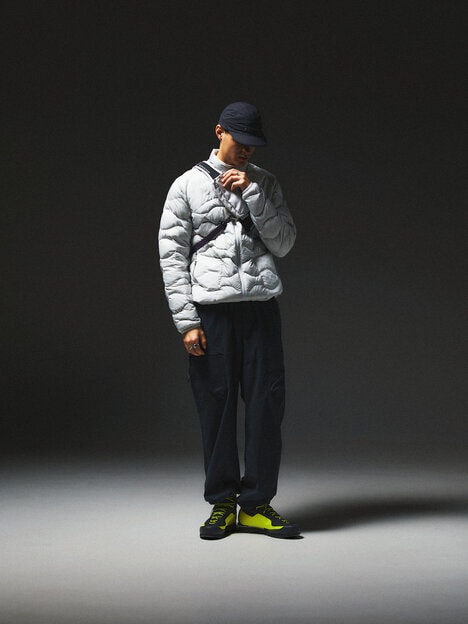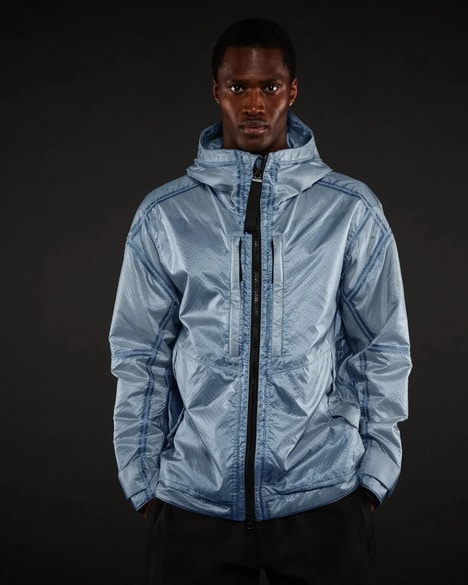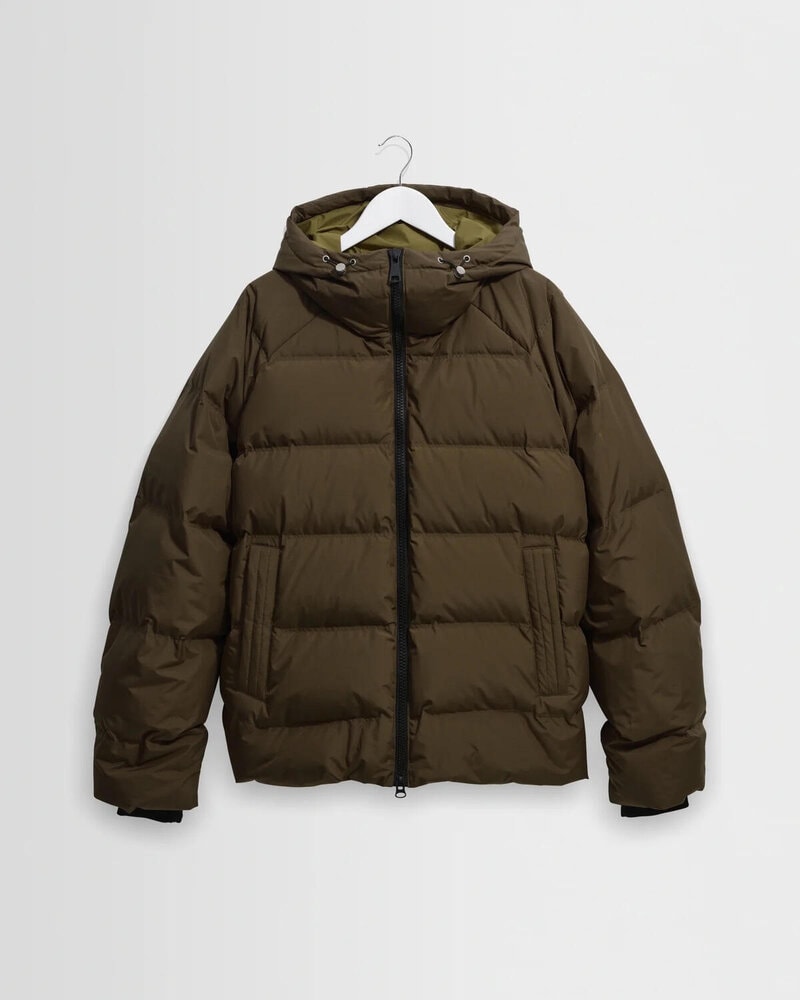
WAX London added its first puffer jacket with the ‘Mars Lightweight Technical Puffer Jacket,’ a down-filled layer built to retain warmth while staying light to wear. The jacket also uses a contoured hood with an adjustable opening and a water-repellent fabric finish.
Two internal pockets and two external pockets close with zippers, while brushed fabric inside the pockets adds a softer lining. Chunky ribbed internal cuffs finish the sleeves and help the jacket feel more complete as a cold-weather layer.
At £285, ‘Mars’ gives the brand a clear entry point into technical outerwear without pushing the piece into heavy, bulky territory. The 520-fill-power specification and light-rain protection make it a practical option for buyers who want insulation within a cleaner silhouette.
Image Credit: Wax London
Why This Trend Is Growing
- Lightweight Technical Outerwear
- Slimmer insulated jackets are reshaping cold-weather apparel by combining thermal performance with everyday wearability in cleaner urban silhouettes.
- Everyday Weather Protection
- Water-repellent finishes and adjustable coverage features create room for apparel that bridges fashion, commuting, and light outdoor utility.
- Premium Functional Minimalism
- Refined design details such as concealed storage, soft pocket linings, and ribbed cuffs signal demand for technical garments with understated luxury appeal.
Industries Being Reshaped
- Fashion Apparel
- Brands can differentiate seasonal collections through lightweight insulation systems that add practical performance without sacrificing style-led positioning.
- Outdoor Gear
- The rise of less bulky puffers expands the market beyond extreme conditions toward versatile outerwear suited to mild weather and urban exploration.
- Textile Manufacturing
- Advanced fabrics, fill technologies, and water-repellent treatments support new material opportunities for garments that balance warmth, weight, and comfort.